




Put how complaints, preferences and repeat questions inform improvement at the centre of the brief
Good OEM work becomes easier when a broad ambition is reduced to one decision that can be checked. Write the decision in one sentence, then add the animal, life stage, daily serving and selling market. For use post-launch feedback without turning it into clinical proof, that sentence should identify how complaints, preferences and repeat questions inform improvement. It gives formulation and packaging teams a shared starting point.
Record assumptions as assumptions
Separate facts from preferences. A preference can guide a sample; a confirmed fact can control release. Where the discussion touches quality trending and controlled product review, record the jurisdiction and the item that still needs review.
Ask for evidence that answers this exact question
Ask for lot-linked records, coded themes and follow-up outcomes, but also ask what decision each record supports. Include the formula or batch identifier and reporting basis. A folder of documents has little value if none can be linked to the proposed SKU.
Read documents in their proper role
Do not let a sample document become a standing product claim. Specifications, batch records and references each need an identified scope. Use quality trending and controlled product review only within the scope it actually covers.
Connect the formula to use, packaging and storage
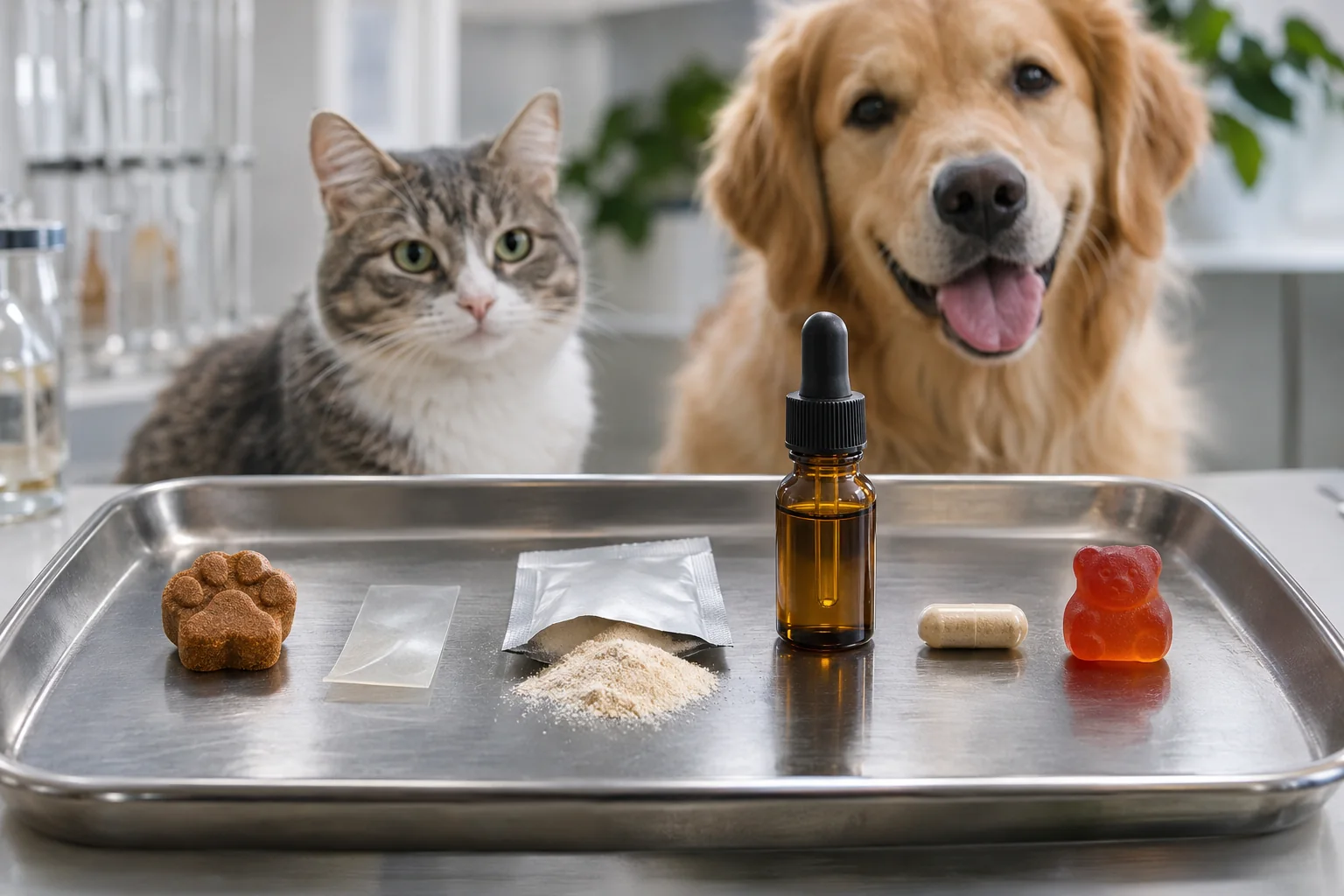
Model one complete day of use. Count the units, measure the liquid or powder, open the pack and store what remains. The result often changes serving burden and pack design before it changes the marketing copy.
Test the likely failure point
Make publishing testimonials as efficacy evidence a named checkpoint. Decide what will be inspected or measured, who will review it and what action follows an unacceptable result.
Carry the decision into quotation and release
Lock the quoted configuration with a revision code. Show formula, dose, format, pack, languages, quantity and services; keep optional testing, freight and sample work distinct.
Questions for the production discussion
Ask the production team which input carries the most uncertainty, what evidence would reduce it and when the next decision can be made. Link the answer back to how complaints, preferences and repeat questions inform improvement, not to a generic timeline.
A useful enquiry includes
- Define how complaints, preferences and repeat questions inform improvement for one product version
- Request lot-linked records, coded themes and follow-up outcomes
- Avoid publishing testimonials as efficacy evidence
- Review the decision against quality trending and controlled product review
Business guidance for developing pet nutrition products. Individual feeding and health questions require veterinary advice.