




Quality starts with a clear specification
A practical approach to product specifications, batch COAs, third-party testing, packaging suitability and evidence-led product claims.
Quality information you can work with.
A nutrition concept needs its own evidence. We agree the product specification and discuss which results belong on a batch COA, which need development work and which need a stability study.
Product specifications and COAs
We can provide product specifications and a COA. Review the product identity, batch, test methods, results and acceptance limits against the agreed project requirements.
Third-party testing
We can assist with heavy metal, microbiological and mycotoxin testing. The analytes, method, laboratory, sampling plan, cost and timing are agreed before commissioning.
Oral film production approach
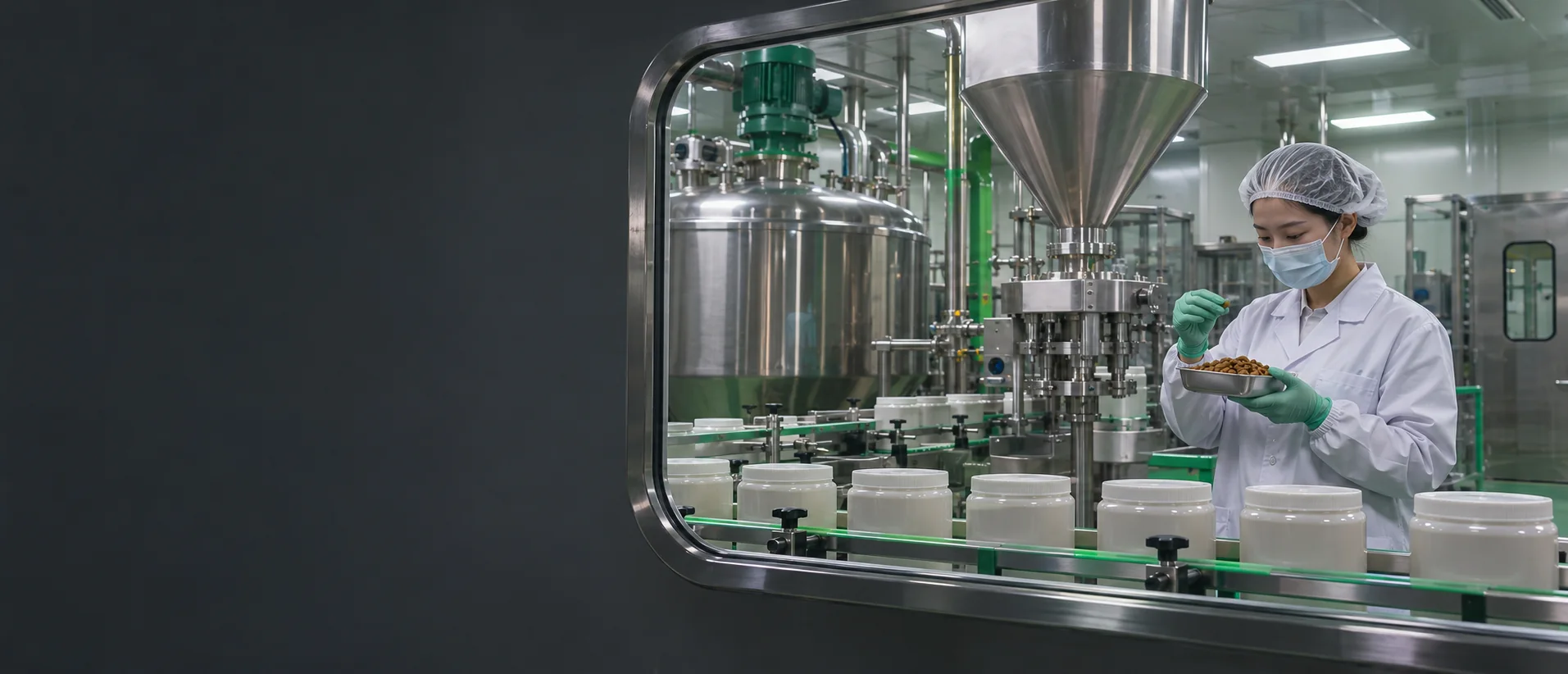
Our oral films are produced using human oral-film production standards. This production approach does not replace assessment of the specific pet formula, acceptance, stability or destination-market requirements.
Packaging and shelf life
Shelf life requires evidence for the actual formula and primary packaging. Storage, after-opening use and distribution conditions belong in the development brief.
Claims and destination markets
An ingredient study, a facility document and a finished-product result answer different questions. We discuss the evidence needed for the proposed nutrition statement and market, without treating one as approval of another.
A closer look at the project
A video tour of our production base in China can be coordinated by appointment. An on-site visit can also be discussed for an active project, subject to scheduling and site arrangements. Prepare the process, quality and packaging questions relevant to your proposed product.
Connect physical products with their specifications
A sample review should cover the actual container, closure, product appearance and handling instructions. Keep the approved formulation and packaging version connected to the product specification and batch documents.
- Agree the identity, scope and acceptance criteria for requested test results.
- Review batch references, label versions and storage instructions together.
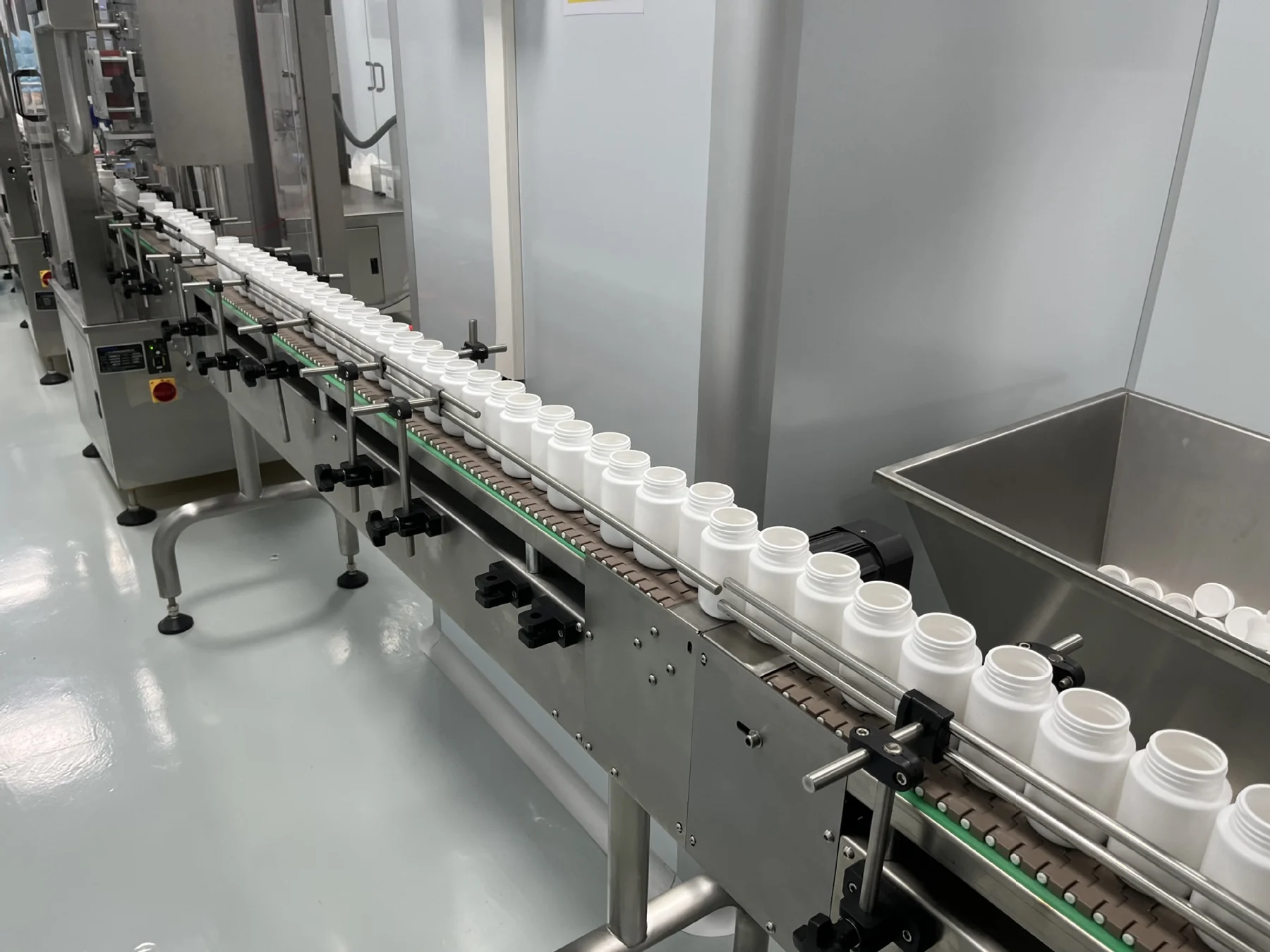
Bottle and closure review
Discuss the container and closure as part of the product, including filling, sealing and use after opening.
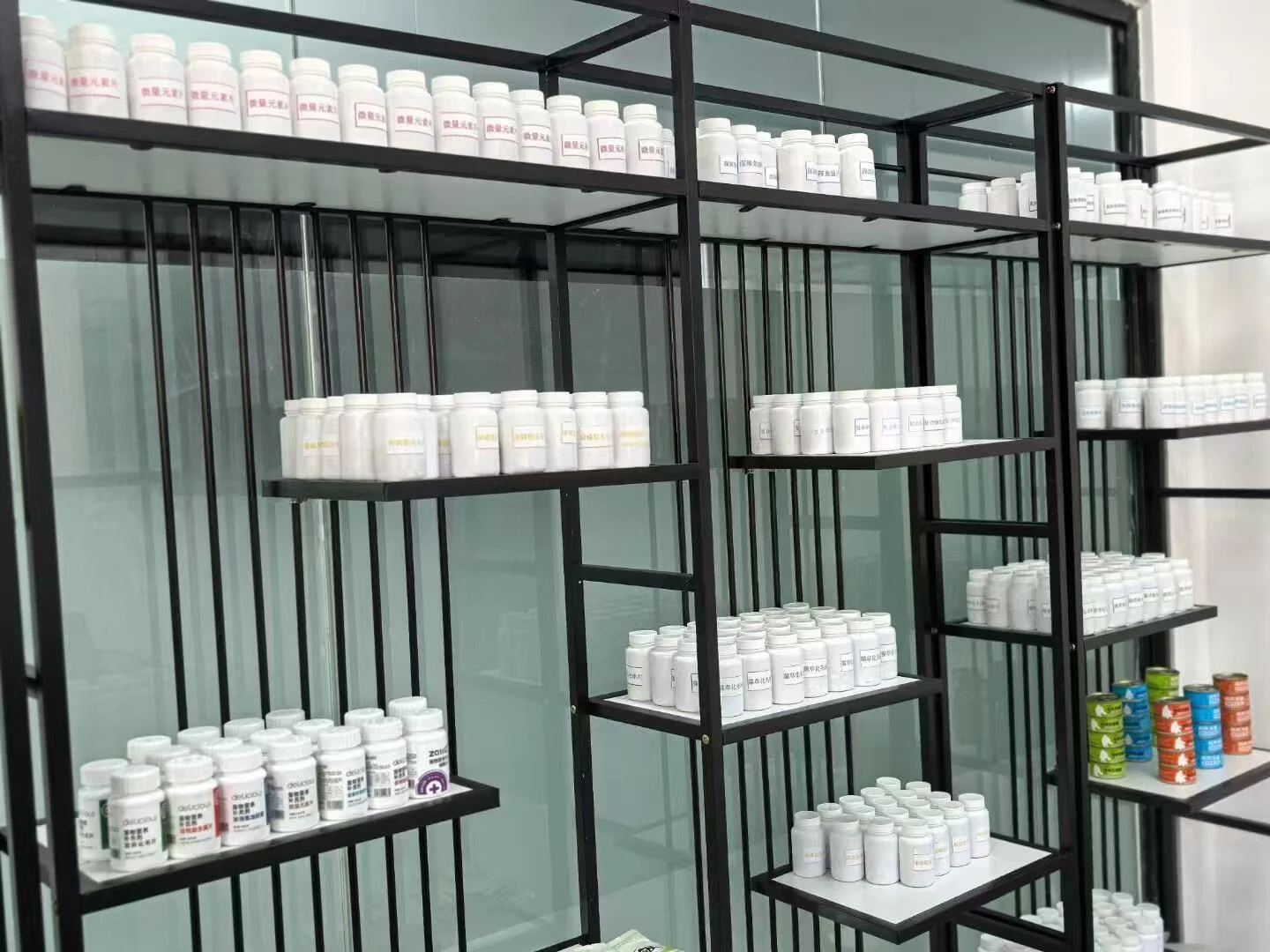
Physical samples and product references
Compare samples with the agreed specification. Composition, microbiological quality and stability requirements need appropriate product data.
Qualification and export checks for pet nutrition buyers
Match each document to the product, activity and market it actually covers. A brochure, facility image or ingredient study cannot replace that check.
COA, specifications and third-party testing
Product specifications and a COA can be provided. Agree which nutrient markers, physical attributes and contaminant limits will be reported for the selected formula. We can help arrange third-party heavy-metal, microbiological and mycotoxin testing; laboratory, methods, sampling, fees and timing are agreed separately. Stability work needs a defined formula, primary pack, storage conditions and acceptance criteria before any shelf-life claim is approved.
ISO, clean-room, insurance and patent evidence
If a project requires ISO certification, a specified clean-room class, product liability insurance, a patent licence or raw-material authorization, request current evidence with its holder, scope and validity. Confirm that it applies to the proposed product and transaction. We do not publish these as blanket certifications or coverage for every PETNUTRABIO product. A video tour can support process questions, while document checks establish the claimed scope.
Canada: evaluate the VHP route, not an LNHPD shortcut
For a Canadian veterinary health product, assess the Veterinary Health Products (VHP) Notification Program and current List C conditions for the actual ingredients, species, route and label. The Licensed Natural Health Products Database (LNHPD) is not a pet-product approval checklist. Classification and notification suitability require product-specific review; a catalogue reference does not establish Canadian clearance.
USA and Europe: define the destination before label design
For the USA, FDA explains that DSHEA does not apply to animal food and that intended use determines whether a product is food or an animal drug. Food claims require review within that framework, including applicable state requirements. For a European project, agree the specific destination and product classification with the importer or qualified reviewer before artwork is approved. We can discuss available formulation and quality documents without promising automatic registration or market approval.
Bring us your next product idea.
Tell us the animal, nutrition direction, intended market and preferred format. We can help define the formula and packaging questions for a useful proposal.