



Describe the product an owner will actually use
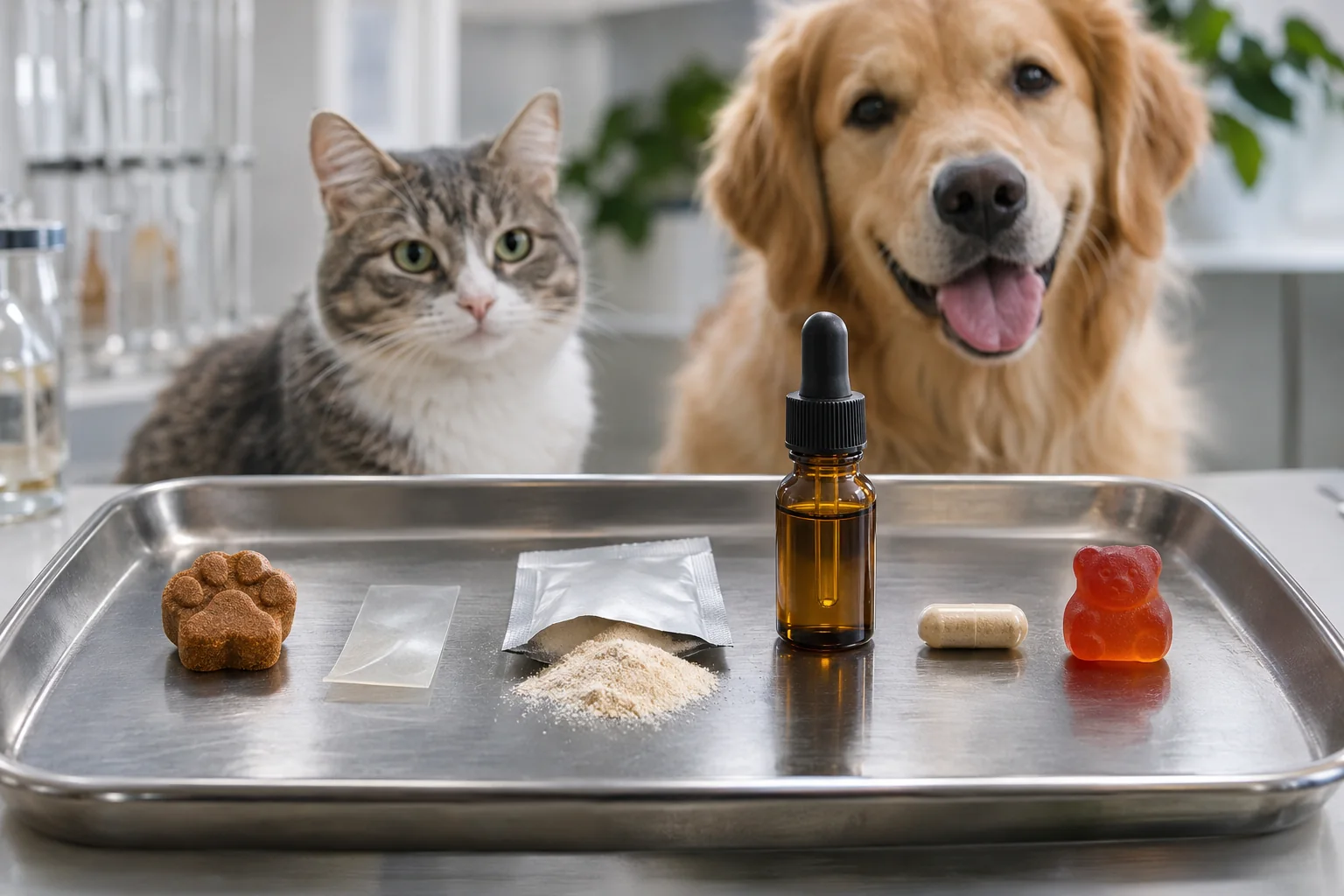
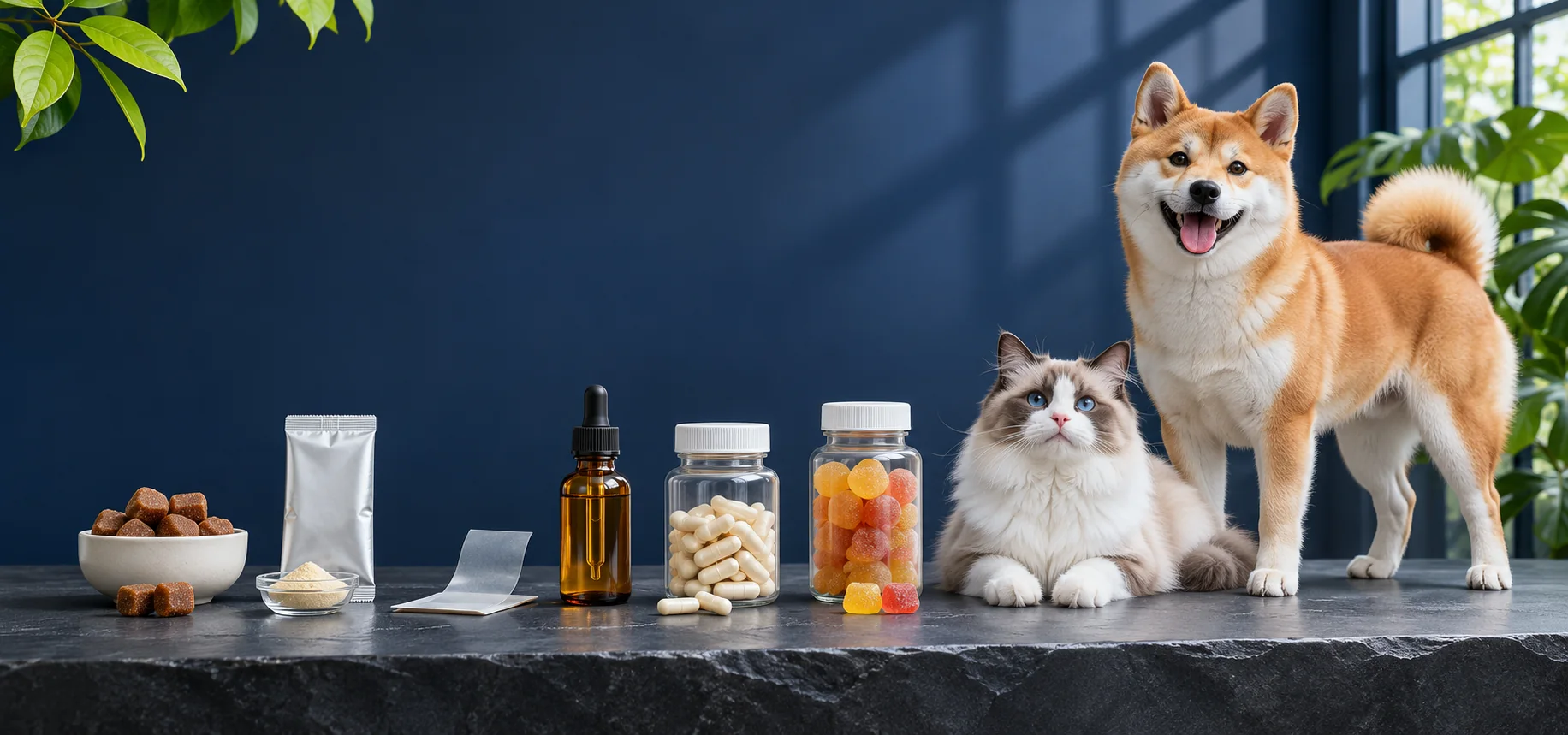
Write one brief per proposed SKU. Name the species, life stage, nutritional purpose and intended daily serving. Explain whether the owner will put a powder on food, offer a chew, dispense drops or open a single-use pack. These handling details affect unit size, flavour and packaging as much as the ingredient list does.
Include a proposed selling country and label language. A concept that works as a general nutrition idea still needs ingredient and claim review for the destination. If the product will be sold as a treat, complementary food or another category, state the proposed category as a question for review rather than treating the label as settled.
Turn the ingredient wish list into amounts
List each proposed active ingredient with its amount per unit and per daily serving. Specify whether a number refers to raw material weight, an extract strength or a measured nutrient contribution. For fish oil, total oil and the proposed EPA and DHA contribution need separate fields. For a live culture, identify the organism and the point at which a viable count would be assessed.
Mark mandatory ingredients separately from options. A preliminary formula can have unknowns, but an unknown should be visible in the quote request. If the required amount may not fit an oral film or small chew, ask for a format feasibility review before commissioning packaging artwork.
Specify the pack before requesting a unit price
Give the proposed number of servings per retail unit, primary pack type, outer pack type and expected print languages. Indicate whether the buyer supplies finished artwork or wants packaging development included. A bottle, sachet and carton require different material and filling assumptions; a price without those assumptions cannot be compared fairly.
State the target order quantity and whether the quantity applies to one formula, flavour and pack. The confirmed oral film minimum is 60,000 films per SKU. Functional soft chews and nutritional treats start at 100 kg, powders at 50 kg, and drops and pet gummies at 1,000 bottles. Allocation and mixed-order conditions for formats other than oral films remain project-specific.
Request a costed scope, not a universal rate card
Ask the supplier to identify which formula version, package and quantity the quote covers. Clarify which items require separate confirmation: samples, freight, testing, printed materials and destination documents. A revised ingredient ratio should trigger a revised scope and quote rather than silently inheriting an earlier price.
For a new formula, initial costing normally takes about one to two days once the ingredient ratios and packaging brief are clear. That is a costing window, not a sampling, manufacturing or delivery promise. Request a documented next decision after the first feasibility response.
A useful enquiry includes
- Species, daily serving and destination market
- Ingredient amounts per unit and per daily serving
- Formula, pack and quantity identified as one version
- Open items for sampling, testing and freight listed separately
Business guidance for developing pet nutrition products. Individual feeding and health questions require veterinary advice.