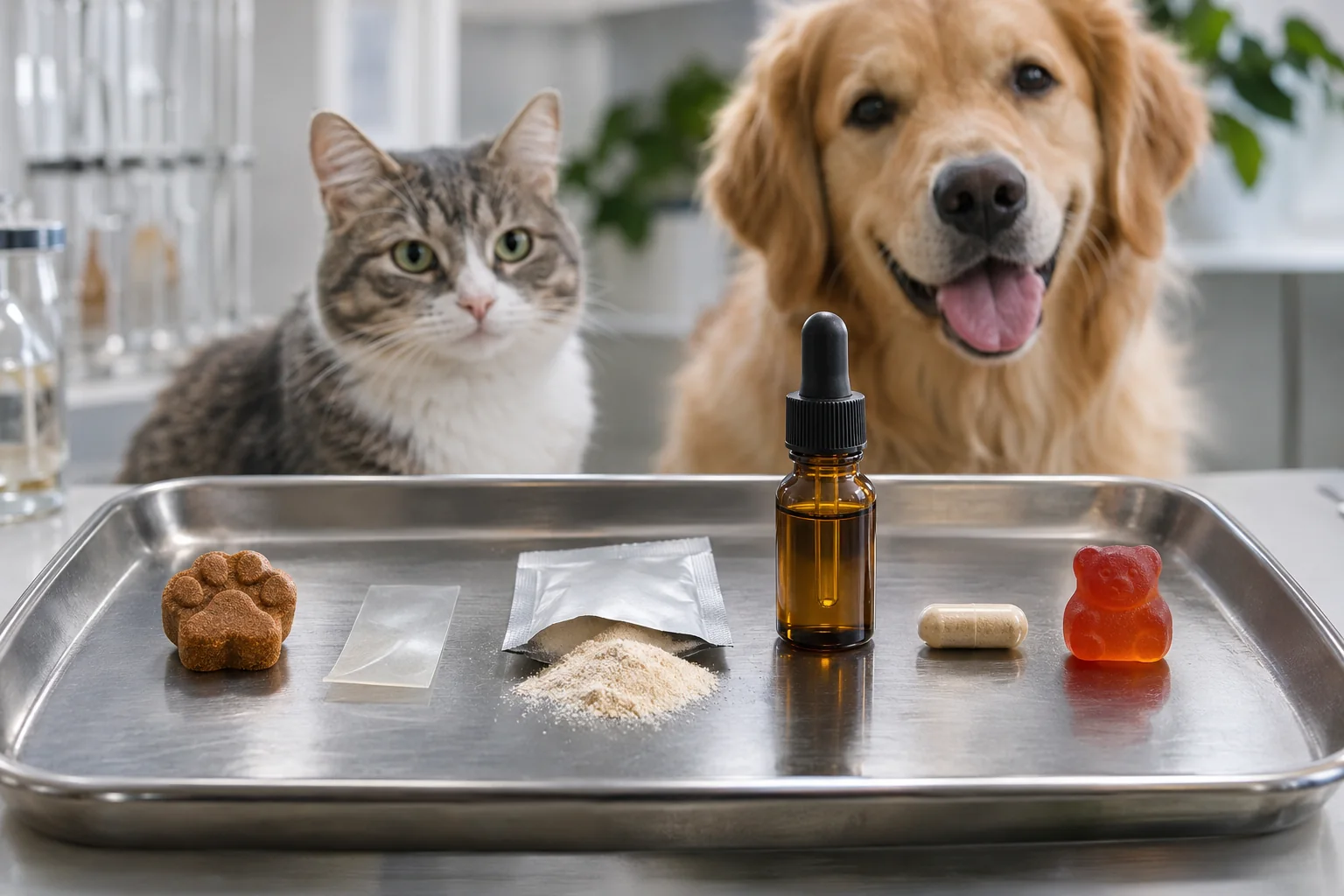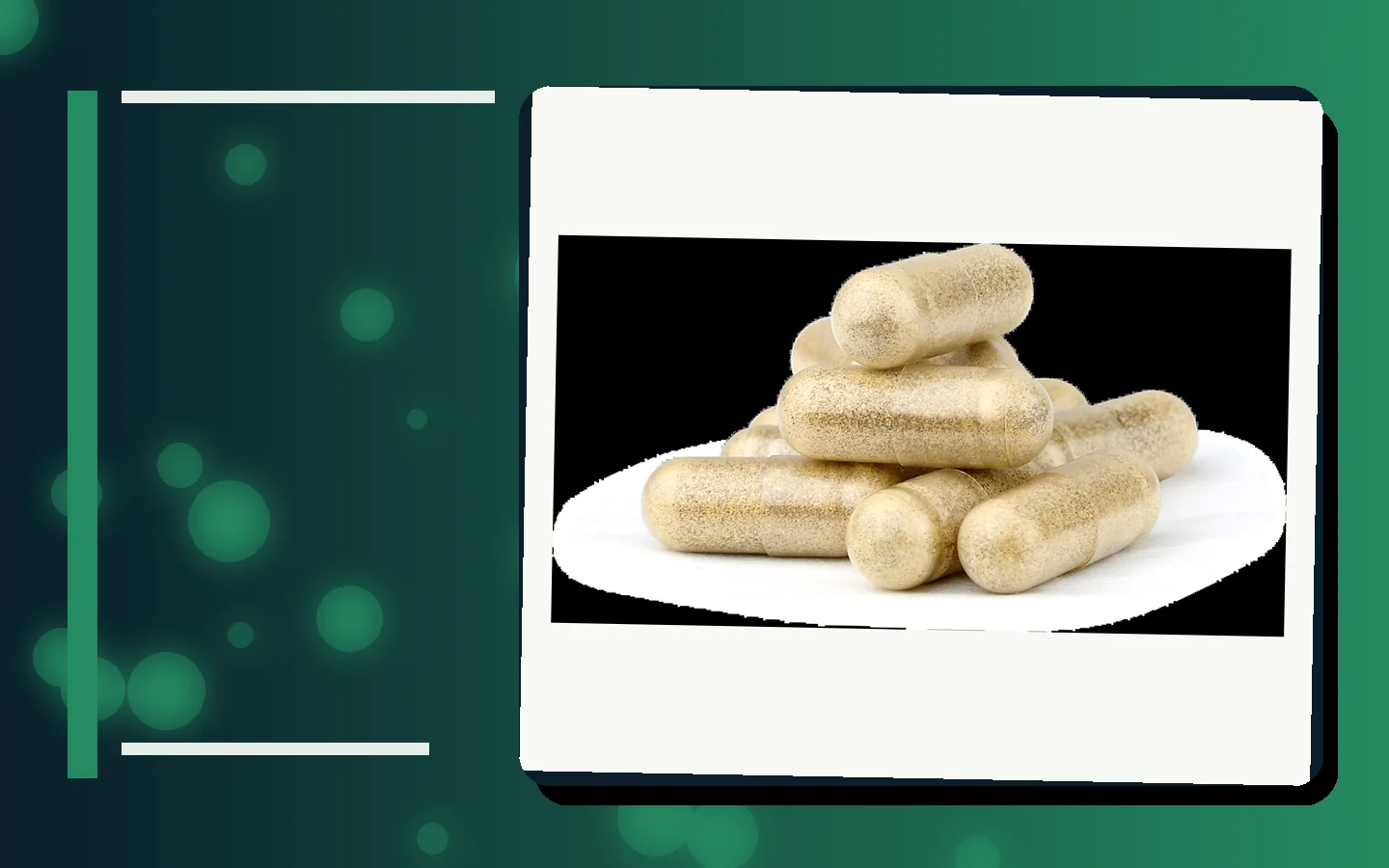







Put whether unit dimensions fit the serving and intended offering method at the centre of the brief
A useful project starts by naming the decision, the animal and the conditions in which the product will be used. Before discussing features, define the product boundary. For set tablet size and shape for the target animal, specify species, use pattern, market and whether unit dimensions fit the serving and intended offering method. The rest of the file should explain how that decision will be supported.
Record assumptions as assumptions
Create a short assumption register instead of hiding uncertainty in paragraphs. For every item tied to species, size and feeding-routine context, note the proposed interpretation and the person responsible for confirming it.
Ask for evidence that answers this exact question
Request tablet mass, dimensions, breakability and coating decision in a format that preserves method, units, sample identity and date. Evidence becomes reusable when those details travel with the result.
Read documents in their proper role
Limits, results and scientific context should not share one unlabeled table. Keep them in their proper roles and show when each was reviewed. This discipline is particularly useful when working from species, size and feeding-routine context.
Connect the formula to use, packaging and storage
Follow the product from filling to the final serving in the pack. Heat, humidity, oxygen, light, dosing accuracy and repeated opening may create different questions at each point.
Test the likely failure point
Reviewers should try to disprove the comfortable assumption that leads to copying a human tablet format without pet-use review. Agree on the sample, condition, method and pass criterion before the result is known.
Carry the decision into quotation and release
The commercial file should be specific enough for another team to reproduce the basis of price. Formula, serving, pack, language, order basis and optional services need explicit fields.
Questions for the production discussion
Ask the production and quality teams to name the next hold point. Tie it to whether unit dimensions fit the serving and intended offering method, the required evidence and an approval owner rather than an optimistic date alone.
A useful enquiry includes
- Define whether unit dimensions fit the serving and intended offering method for one product version
- Request tablet mass, dimensions, breakability and coating decision
- Avoid copying a human tablet format without pet-use review
- Review the decision against species, size and feeding-routine context
Business guidance for developing pet nutrition products. Individual feeding and health questions require veterinary advice.