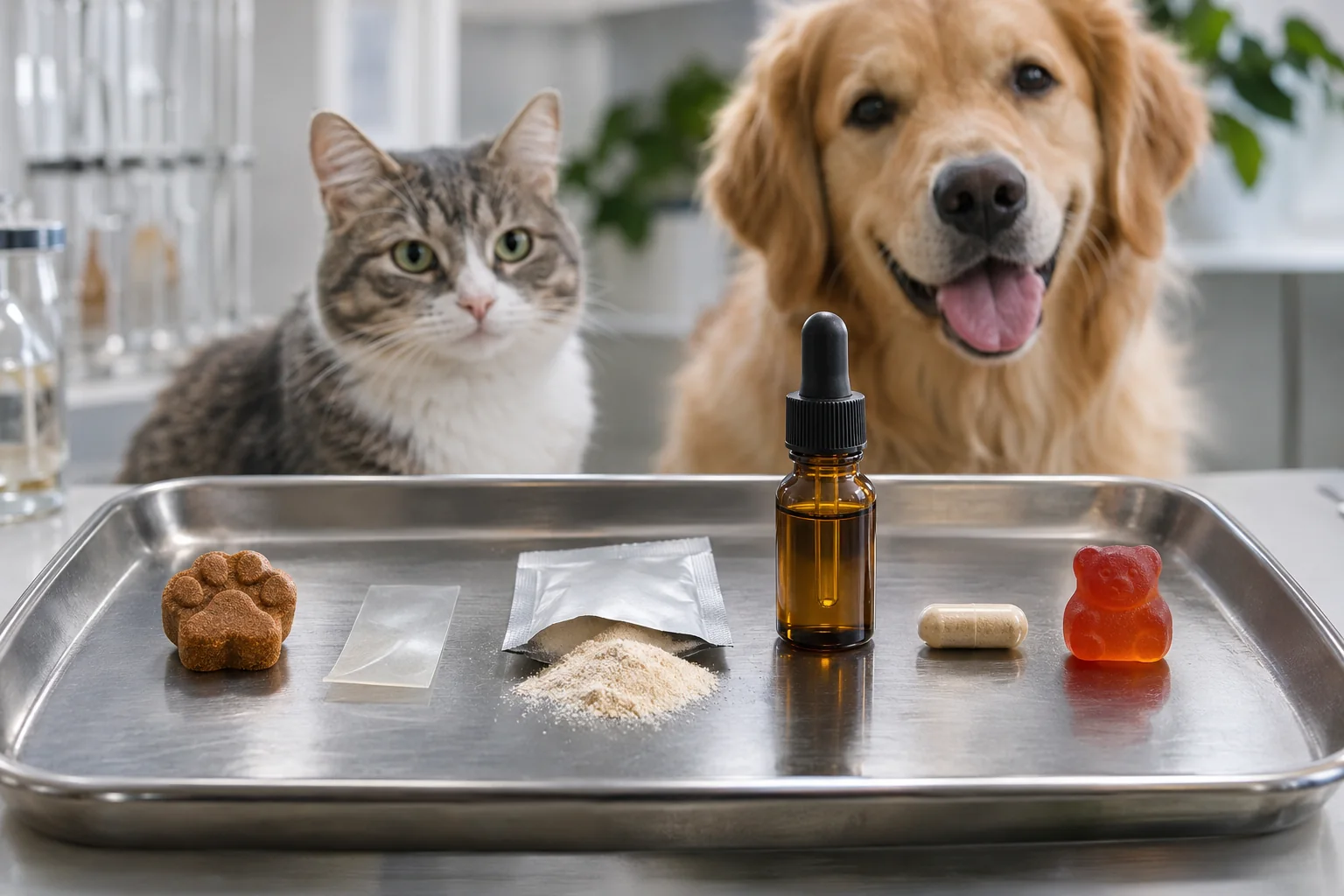







Put how ingredient status affects formulation and communication at the centre of the brief
The practical starting point is the owner’s routine and the product version that will actually reach the market. Write the decision in one sentence, then add the animal, life stage, daily serving and selling market. For separate feed materials, additives and finished-product claims in Europe, that sentence should identify how ingredient status affects formulation and communication. It gives formulation and packaging teams a shared starting point.
Record assumptions as assumptions
Keep a visible line between available evidence and planned evidence. If current EU feed legislation and competent-authority advice affects the answer, state which part is being checked and avoid turning the reference name into a marketing badge.
Ask for evidence that answers this exact question
Request ingredient identity, intended technological or nutritional function and authorization status in a format that preserves method, units, sample identity and date. Evidence becomes reusable when those details travel with the result.
Read documents in their proper role
Keep acceptance limits, batch results and background references in separate columns. Specifications, COAs and guidance documents answer different questions. Read current EU feed legislation and competent-authority advice for context, then verify how it applies to this SKU.
Connect the formula to use, packaging and storage
Follow the product from filling to the final serving in the pack. Heat, humidity, oxygen, light, dosing accuracy and repeated opening may create different questions at each point.
Test the likely failure point
Write a challenge test or document check for assuming a human-food ingredient is automatically acceptable for pet food. State what would count as an acceptable outcome before requesting the result, and keep any deviation in the decision record.
Carry the decision into quotation and release
Lock the quoted configuration with a revision code. Show formula, dose, format, pack, languages, quantity and services; keep optional testing, freight and sample work distinct.
Questions for the production discussion
Finish with a decision log rather than a general recap. Capture the answer on how ingredient status affects formulation and communication, the remaining evidence and the point at which the team will review it again.
A useful enquiry includes
- Define how ingredient status affects formulation and communication for one product version
- Request ingredient identity, intended technological or nutritional function and authorization status
- Avoid assuming a human-food ingredient is automatically acceptable for pet food
- Review the decision against current EU feed legislation and competent-authority advice
Business guidance for developing pet nutrition products. Individual feeding and health questions require veterinary advice.