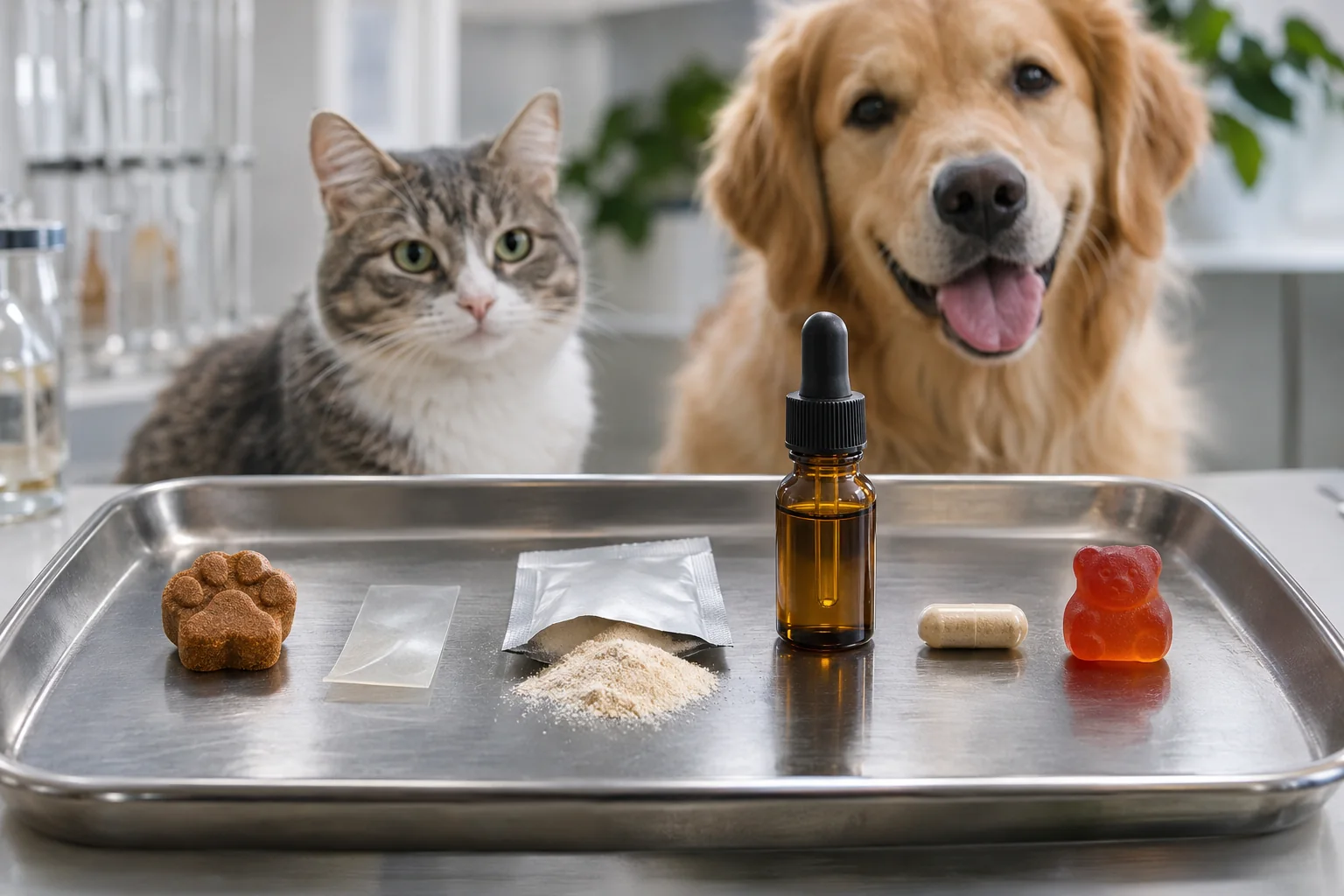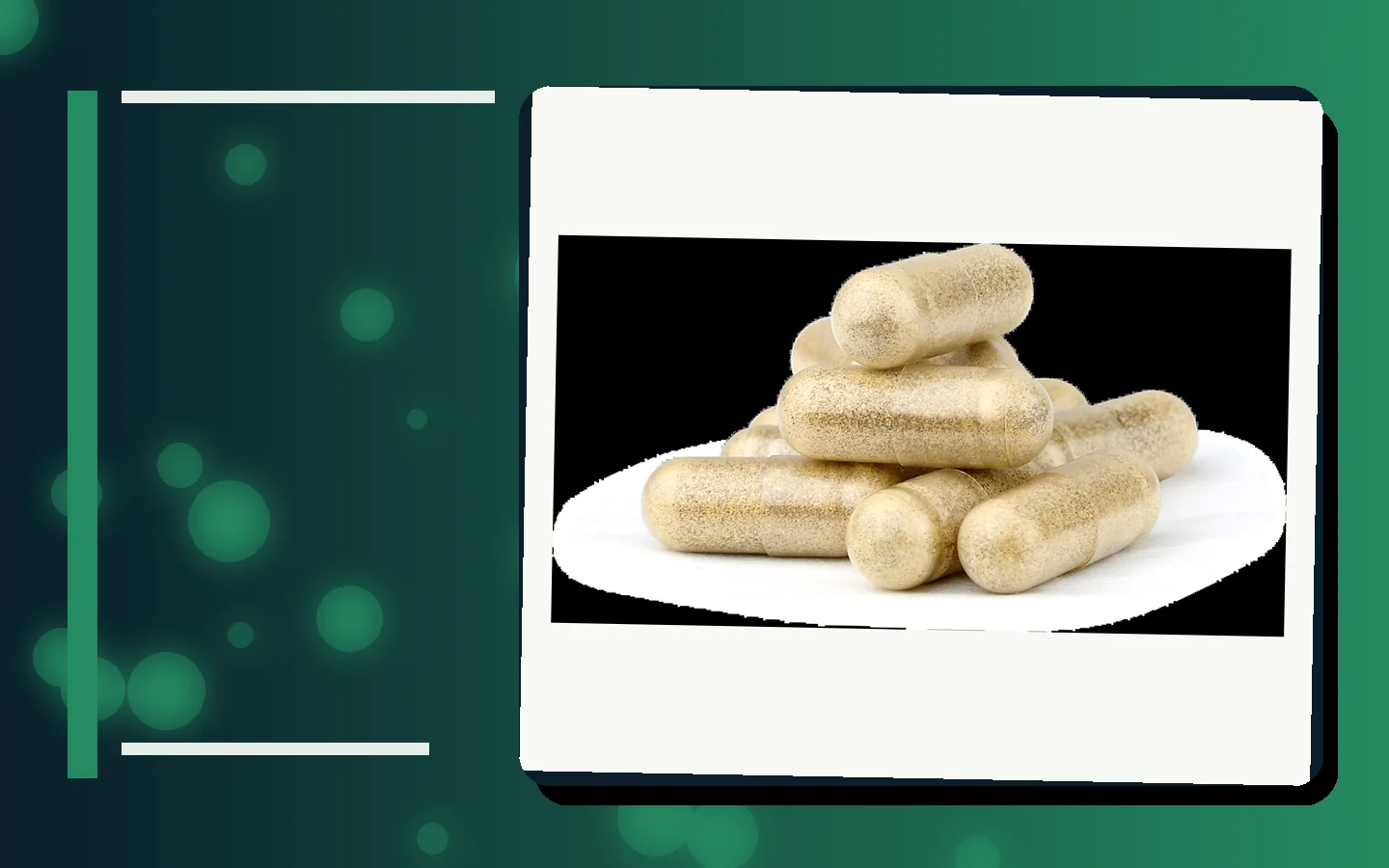






Put how the shell, powder or oil fill and storage conditions interact at the centre of the brief
The practical starting point is the owner’s routine and the product version that will actually reach the market. Before discussing features, define the product boundary. For review capsule shell and fill compatibility, specify species, use pattern, market and how the shell, powder or oil fill and storage conditions interact. The rest of the file should explain how that decision will be supported.
Record assumptions as assumptions
A brief can contain unknowns, provided they are visible. Mark each assumption and say how it will be resolved. Treat supplier data and finished-product testing as a review frame, not as a substitute for the product file.
Ask for evidence that answers this exact question
Ask for shell material, fill moisture, flow and stability observations, but also ask what decision each record supports. Include the formula or batch identifier and reporting basis. A folder of documents has little value if none can be linked to the proposed SKU.
Read documents in their proper role
Use the specification to define acceptance, the COA to report an identified batch and references to explain the chosen approach. None should be presented as evidence for a role it did not perform. Apply supplier data and finished-product testing with that boundary in mind.
Connect the formula to use, packaging and storage
Model one complete day of use. Count the units, measure the liquid or powder, open the pack and store what remains. The result often changes serving burden and pack design before it changes the marketing copy.
Test the likely failure point
One likely failure is treating every capsule shell as interchangeable. Write it as a question that can be answered with a result, observation or approved record. Assign the question before the project moves to print.
Carry the decision into quotation and release
Price comparisons become meaningful only when the quoted version is fixed. Identify formula, dose, unit, pack, quantity and included services, then list unresolved sampling, test and logistics work separately.
Questions for the production discussion
Ask the production and quality teams to name the next hold point. Tie it to how the shell, powder or oil fill and storage conditions interact, the required evidence and an approval owner rather than an optimistic date alone.
A useful enquiry includes
- Define how the shell, powder or oil fill and storage conditions interact for one product version
- Request shell material, fill moisture, flow and stability observations
- Avoid treating every capsule shell as interchangeable
- Review the decision against supplier data and finished-product testing
Business guidance for developing pet nutrition products. Individual feeding and health questions require veterinary advice.