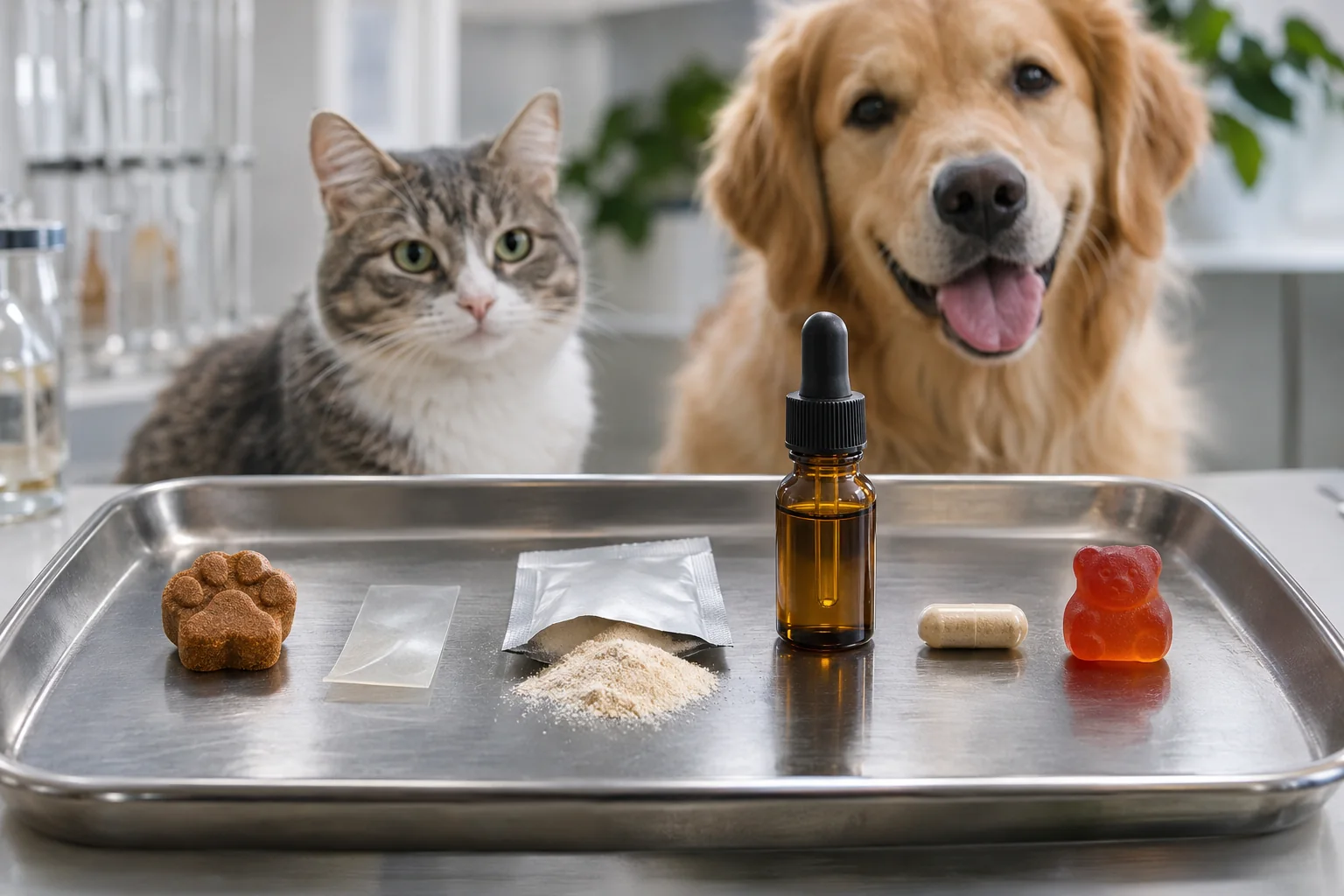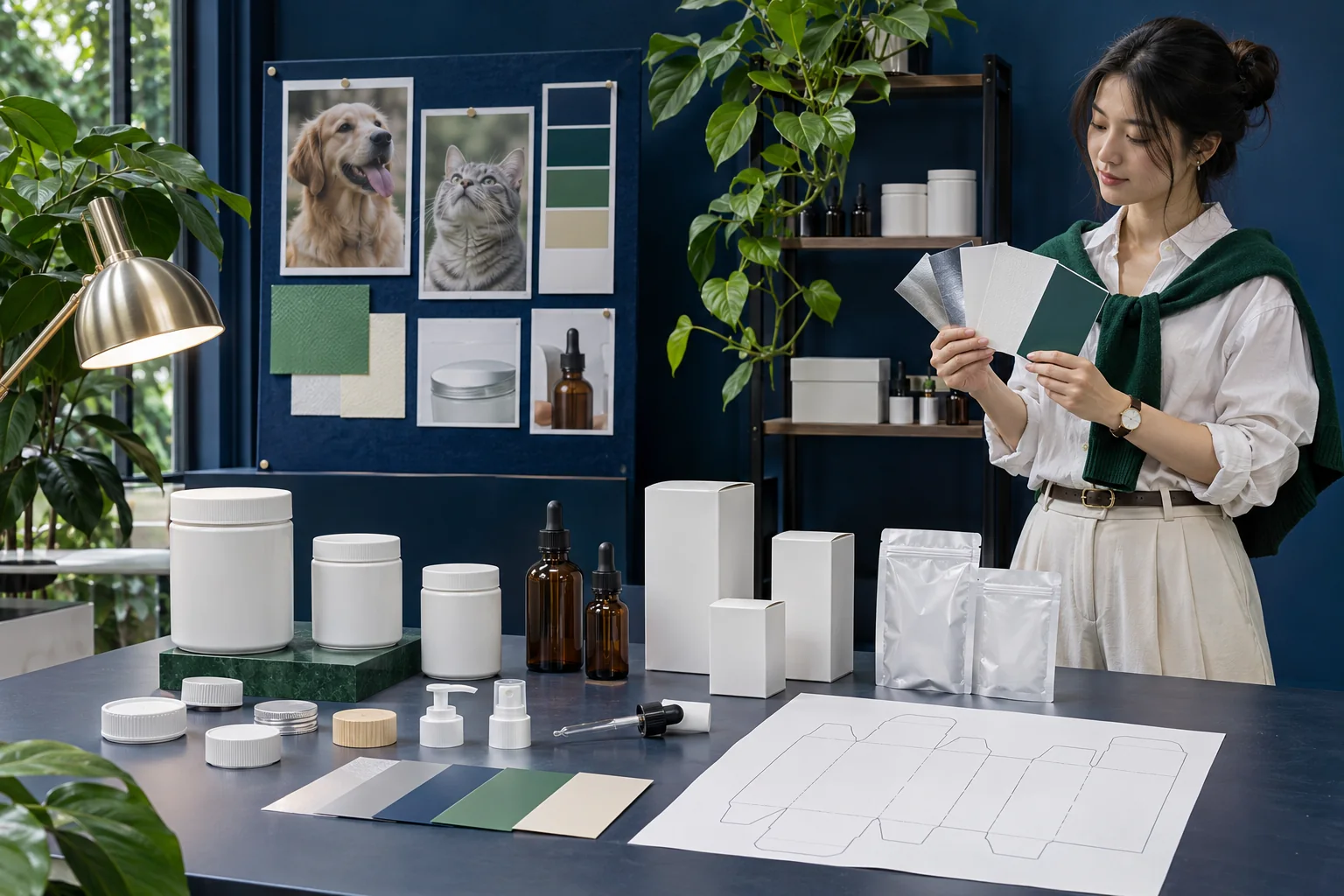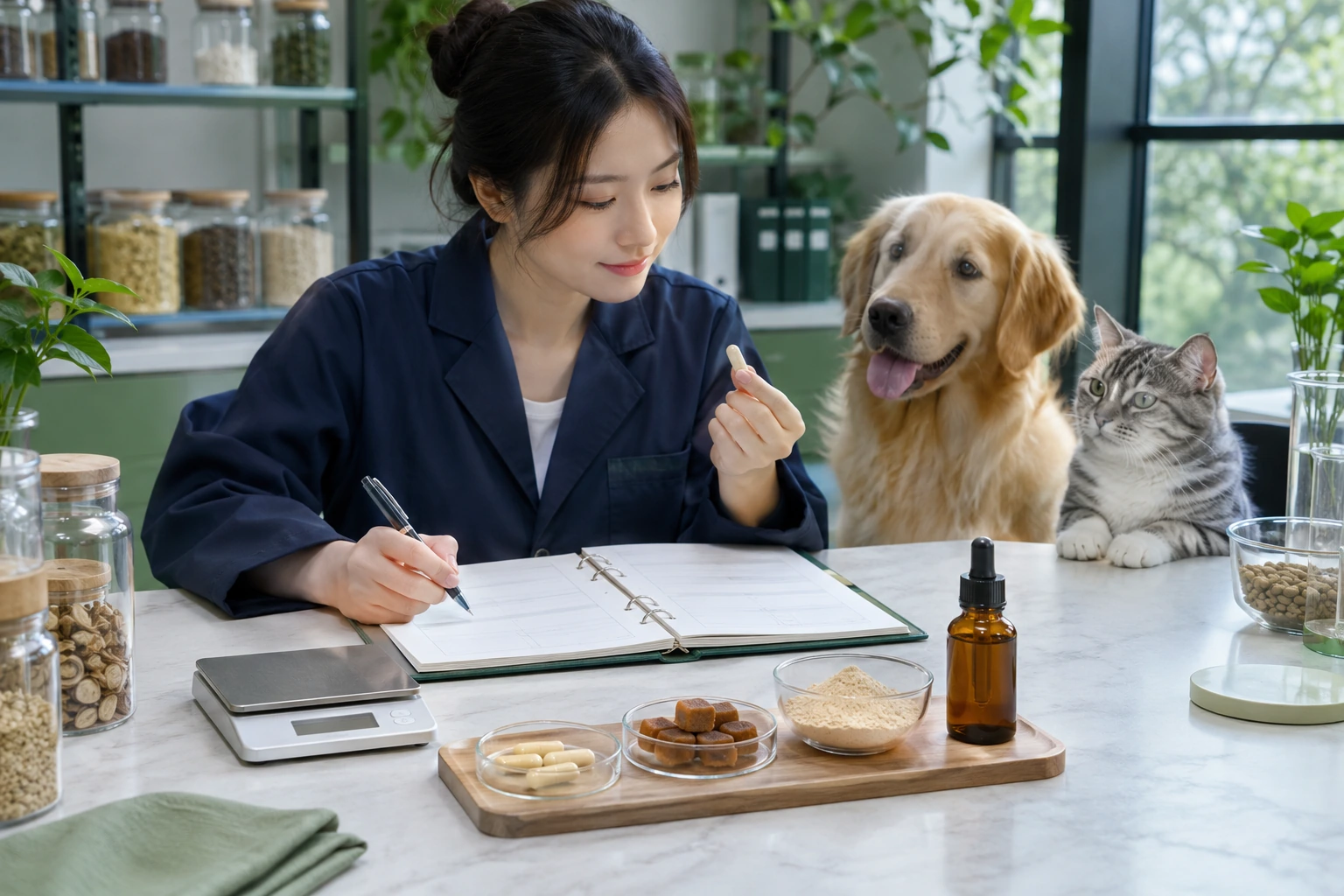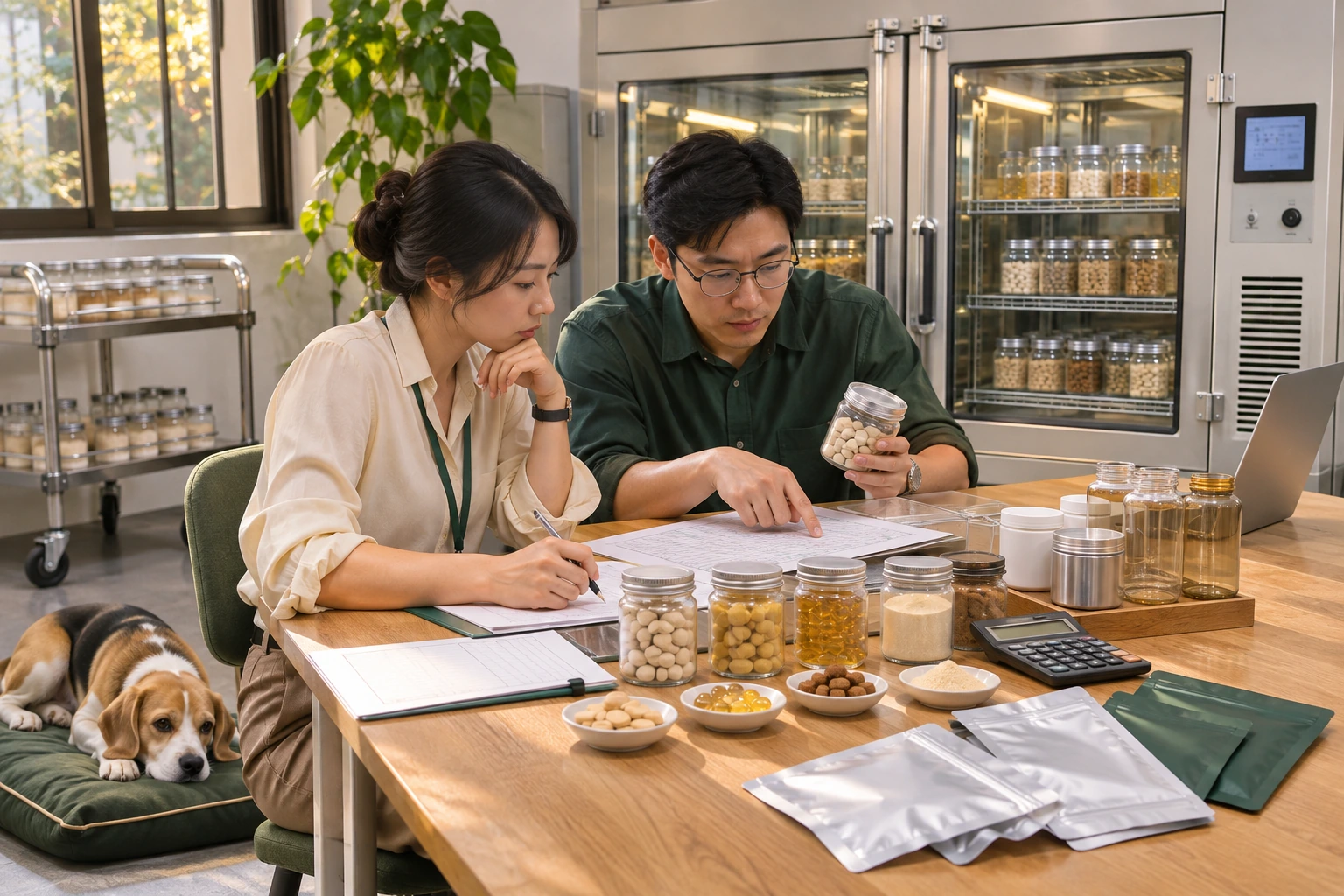



Put which materials share equipment and how changeovers are controlled at the centre of the brief
A useful project starts by naming the decision, the animal and the conditions in which the product will be used. The first page of the brief should explain why this product exists and how it will be used. Name the animal and market, then define which materials share equipment and how changeovers are controlled. That is the practical entry point for review allergen and cross-contact questions for pet products.
Record assumptions as assumptions
A brief can contain unknowns, provided they are visible. Mark each assumption and say how it will be resolved. Treat facility-specific risk review as a review frame, not as a substitute for the product file.
Ask for evidence that answers this exact question
Ask for ingredient declarations, site controls and cleaning verification, but also ask what decision each record supports. Include the formula or batch identifier and reporting basis. A folder of documents has little value if none can be linked to the proposed SKU.
Read documents in their proper role
Limits, results and scientific context should not share one unlabeled table. Keep them in their proper roles and show when each was reviewed. This discipline is particularly useful when working from facility-specific risk review.
Connect the formula to use, packaging and storage
Model one complete day of use. Count the units, measure the liquid or powder, open the pack and store what remains. The result often changes serving burden and pack design before it changes the marketing copy.
Test the likely failure point
Test the project against making a free-from claim from the recipe alone. Give the check a defined sample, condition and result format. A risk sentence with no test or document owner will be forgotten during artwork review.
Carry the decision into quotation and release
Lock the quoted configuration with a revision code. Show formula, dose, format, pack, languages, quantity and services; keep optional testing, freight and sample work distinct.
Questions for the production discussion
End with four written answers: feasible version, evidence still needed, approval owner and next hold point. Relate each answer to which materials share equipment and how changeovers are controlled; avoid a meeting note that only says the project is progressing.
A useful enquiry includes
- Define which materials share equipment and how changeovers are controlled for one product version
- Request ingredient declarations, site controls and cleaning verification
- Avoid making a free-from claim from the recipe alone
- Review the decision against facility-specific risk review
Business guidance for developing pet nutrition products. Individual feeding and health questions require veterinary advice.