

Put the exact dieline, copy version and print responsibility at the centre of the brief
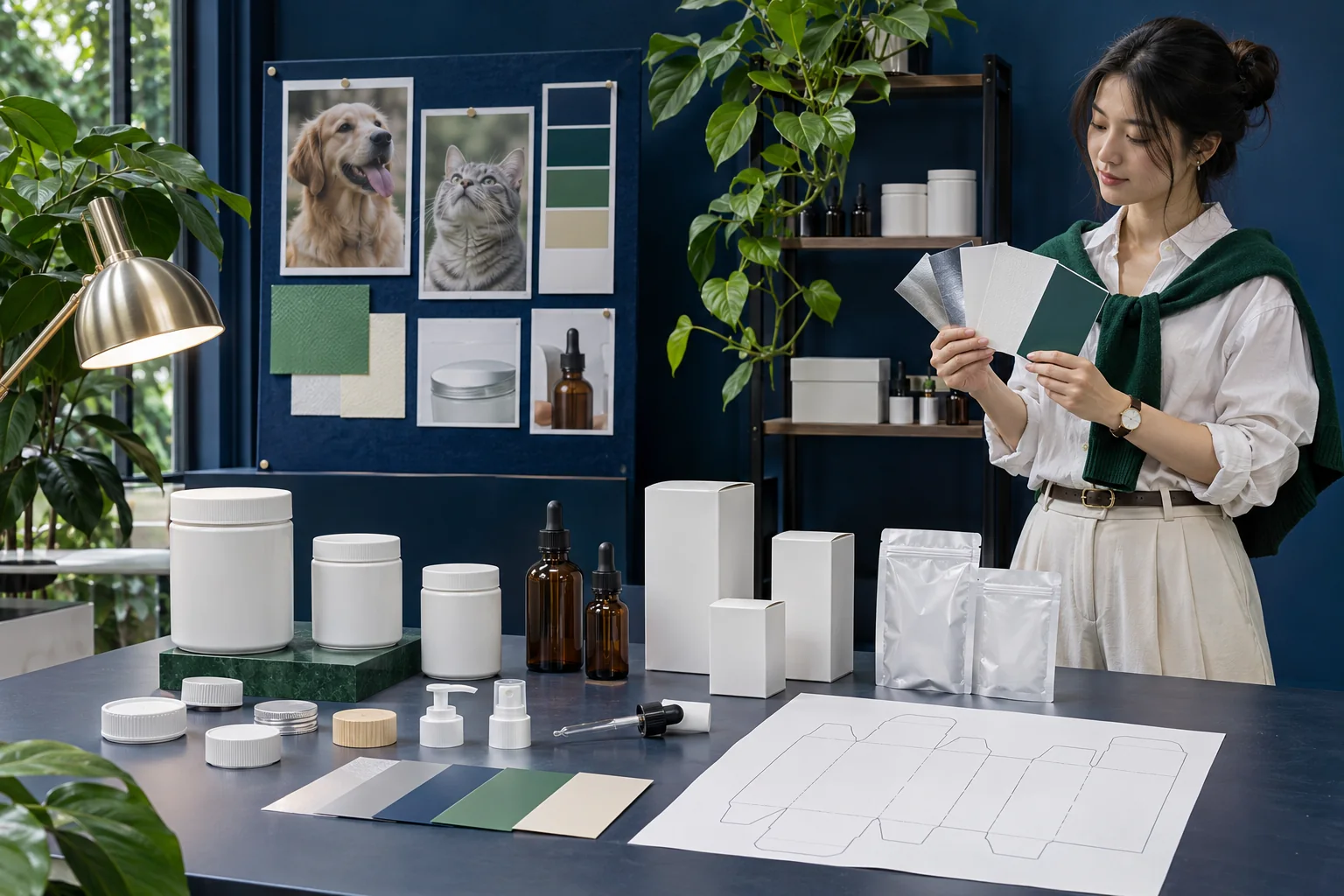
The practical starting point is the owner’s routine and the product version that will actually reach the market. Treat prepare packaging artwork for technical review as a product-design question. Identify the target animal and selling market, describe the daily routine, and write the exact dieline, copy version and print responsibility in terms that can be measured or reviewed.
Record assumptions as assumptions
Distinguish buyer choices from technical confirmations. The choice may set a target; evidence determines whether it is workable. When controlled artwork approval is relevant, name the clause or topic still under review.
Ask for evidence that answers this exact question
Use approved text, barcode area, variable data and proof history to support the next decision. Require traceable identifiers, test basis, units and dates. Reject comparisons that change the denominator or product version without saying so.
Read documents in their proper role
Keep acceptance limits, batch results and background references in separate columns. Specifications, COAs and guidance documents answer different questions. Read controlled artwork approval for context, then verify how it applies to this SKU.
Connect the formula to use, packaging and storage
Consider manufacturing and household handling together. Ingredient contribution, process tolerance, opening force, measuring step and storage after opening can all change the practical product design.
Test the likely failure point
Make starting print work before formula and pack facts are stable a named checkpoint. Decide what will be inspected or measured, who will review it and what action follows an unacceptable result.
Carry the decision into quotation and release
The commercial file should be specific enough for another team to reproduce the basis of price. Formula, serving, pack, language, order basis and optional services need explicit fields.
Questions for the production discussion
The final question is whether another reviewer could reconstruct the decision. Record the conclusion on the exact dieline, copy version and print responsibility, its evidence and the next authorized change point.
A useful enquiry includes
- Define the exact dieline, copy version and print responsibility for one product version
- Request approved text, barcode area, variable data and proof history
- Avoid starting print work before formula and pack facts are stable
- Review the decision against controlled artwork approval
Business guidance for developing pet nutrition products. Individual feeding and health questions require veterinary advice.