





Put what the buyer needs to learn from each sample round at the centre of the brief
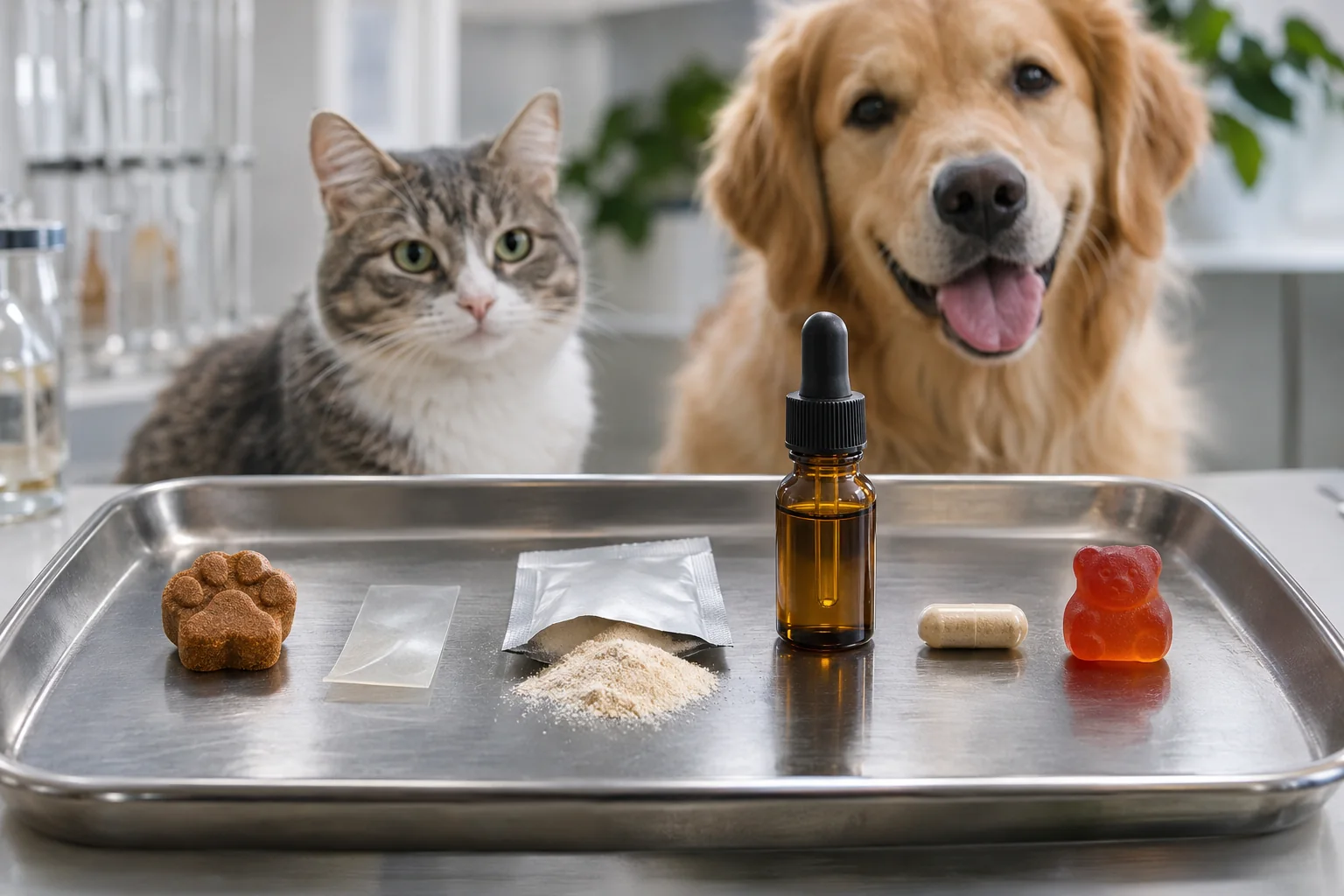
The practical starting point is the owner’s routine and the product version that will actually reach the market. Start with the use case rather than the ingredient trend. State the target animal, feeding routine, destination and what the buyer needs to learn from each sample round. For plan samples that answer a real product question, these details decide what can be assessed and quoted.
Record assumptions as assumptions
A brief can contain unknowns, provided they are visible. Mark each assumption and say how it will be resolved. Treat a written sample evaluation sheet as a review frame, not as a substitute for the product file.
Ask for evidence that answers this exact question
Use sample formula version, sensory notes and acceptance criteria to support the next decision. Require traceable identifiers, test basis, units and dates. Reject comparisons that change the denominator or product version without saying so.
Read documents in their proper role
Keep acceptance limits, batch results and background references in separate columns. Specifications, COAs and guidance documents answer different questions. Read a written sample evaluation sheet for context, then verify how it applies to this SKU.
Connect the formula to use, packaging and storage
Put the prototype into its proposed retail pack before judging the concept. The pack can reveal dose, seal, texture, light or storage problems that a loose sample cannot show.
Test the likely failure point
Write a challenge test or document check for requesting samples without a decision or comparison method. State what would count as an acceptable outcome before requesting the result, and keep any deviation in the decision record.
Carry the decision into quotation and release
A controlled quote states the formula revision, unit specification, packaging configuration, order basis and services included. Anything still dependent on samples, third parties or freight should remain visibly provisional.
Questions for the production discussion
Close the discussion by asking what is feasible now, what needs a sample, which limit controls release and which fact blocks print. Place the answers beside what the buyer needs to learn from each sample round so the decision trail remains readable.
A useful enquiry includes
- Define what the buyer needs to learn from each sample round for one product version
- Request sample formula version, sensory notes and acceptance criteria
- Avoid requesting samples without a decision or comparison method
- Review the decision against a written sample evaluation sheet
Business guidance for developing pet nutrition products. Individual feeding and health questions require veterinary advice.