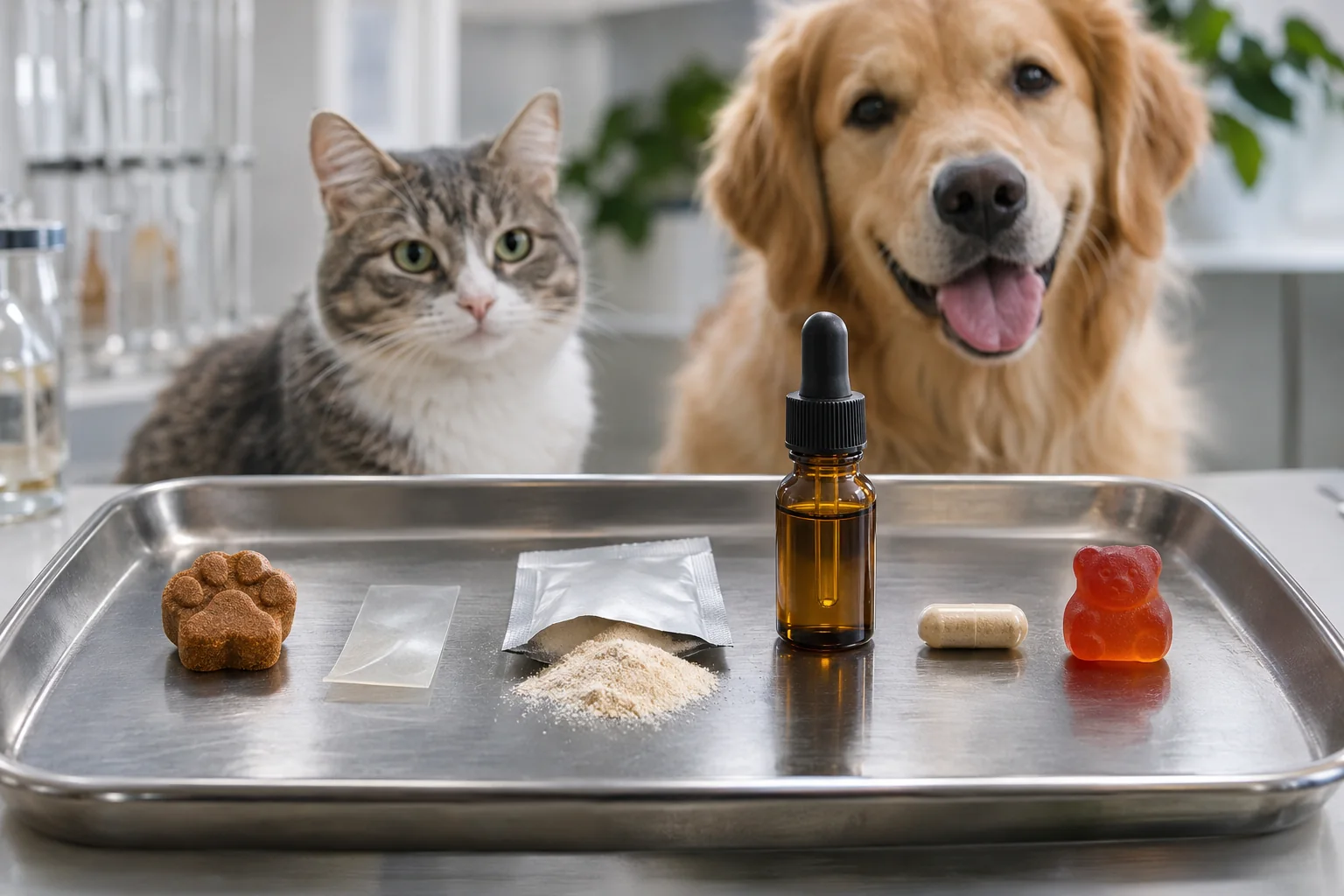
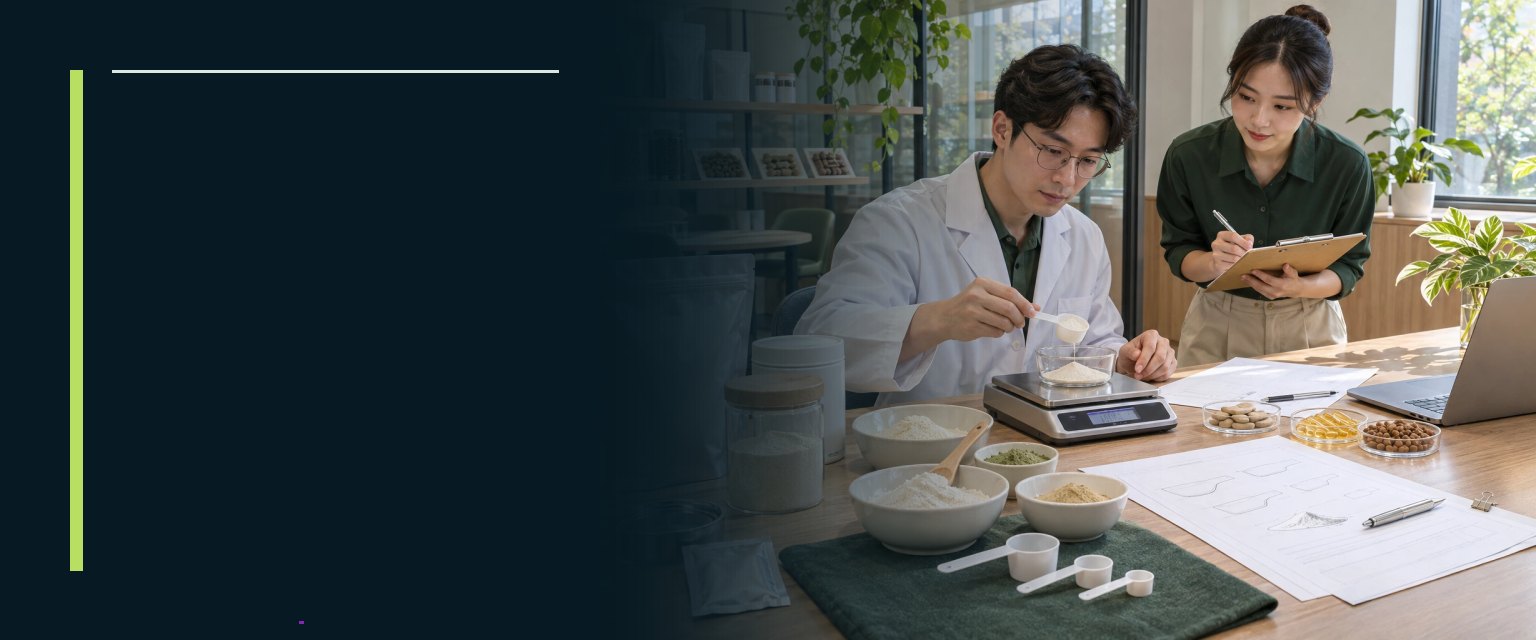




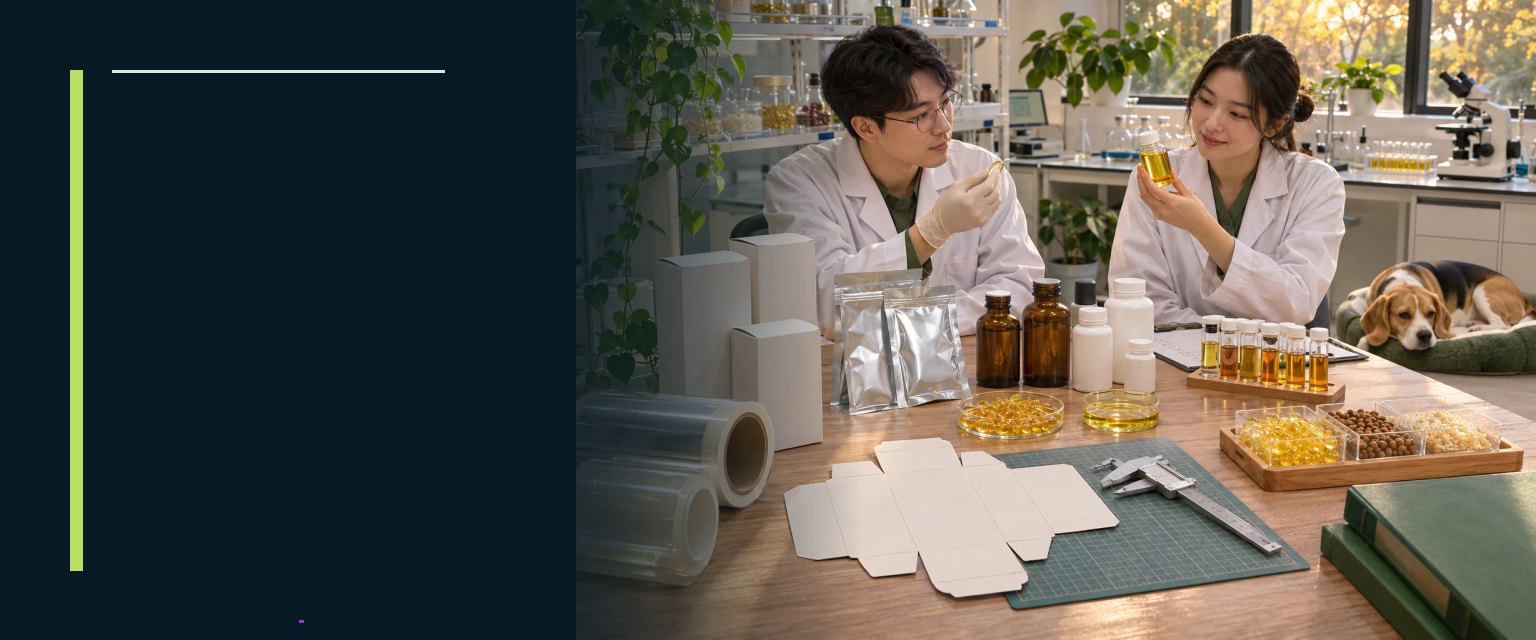

Put whether a scoop, pump or dropper delivers the intended amount at the centre of the brief
The practical starting point is the owner’s routine and the product version that will actually reach the market. Describe the finished product an owner will hold. Add species, life stage, serving and market, then specify whether a scoop, pump or dropper delivers the intended amount. This keeps match dosing devices to the formula connected to a real SKU instead of an abstract capability claim.
Record assumptions as assumptions
Separate facts from preferences. A preference can guide a sample; a confirmed fact can control release. Where the discussion touches delivered-dose testing, record the jurisdiction and the item that still needs review.
Ask for evidence that answers this exact question
Request device output, viscosity or density, tolerance and instructions. Record the method, units, sample basis, version and date next to every result. Without those fields, a precise-looking number may belong to a different material or decision.
Read documents in their proper role
Use the specification to define acceptance, the COA to report an identified batch and references to explain the chosen approach. None should be presented as evidence for a role it did not perform. Apply delivered-dose testing with that boundary in mind.
Connect the formula to use, packaging and storage
Put the prototype into its proposed retail pack before judging the concept. The pack can reveal dose, seal, texture, light or storage problems that a loose sample cannot show.
Test the likely failure point
The project file should name specifying a dose in device units without verification as a scenario to examine. Choose a check that resembles the actual formula, packaging and route. Generic assurances cannot replace that exercise.
Carry the decision into quotation and release
The commercial file should be specific enough for another team to reproduce the basis of price. Formula, serving, pack, language, order basis and optional services need explicit fields.
Questions for the production discussion
End with four written answers: feasible version, evidence still needed, approval owner and next hold point. Relate each answer to whether a scoop, pump or dropper delivers the intended amount; avoid a meeting note that only says the project is progressing.
A useful enquiry includes
- Define whether a scoop, pump or dropper delivers the intended amount for one product version
- Request device output, viscosity or density, tolerance and instructions
- Avoid specifying a dose in device units without verification
- Review the decision against delivered-dose testing
Business guidance for developing pet nutrition products. Individual feeding and health questions require veterinary advice.