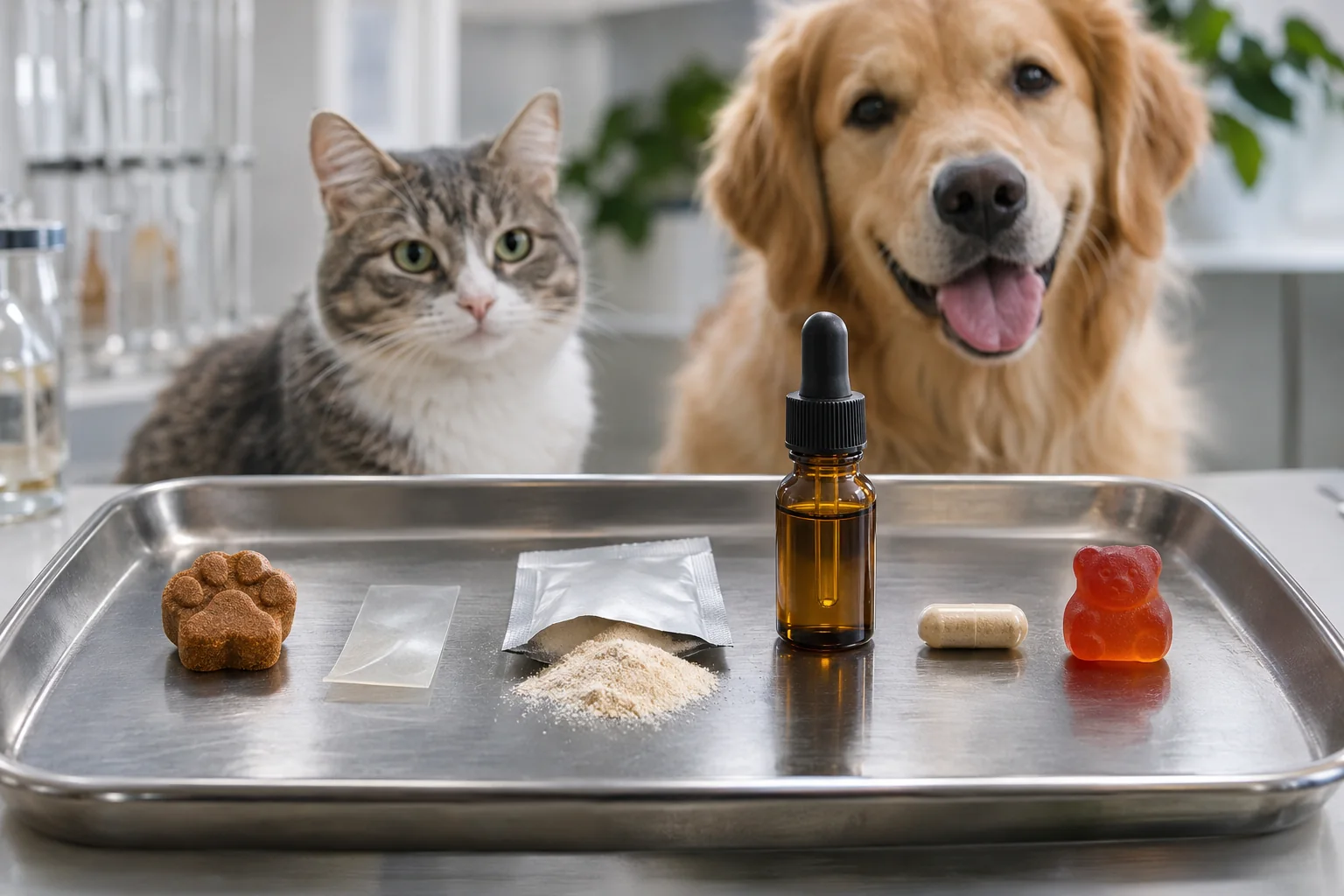






Put whether formula load, texture and bottle presentation can coexist at the centre of the brief
Good OEM work becomes easier when a broad ambition is reduced to one decision that can be checked. Describe the finished product an owner will hold. Add species, life stage, serving and market, then specify whether formula load, texture and bottle presentation can coexist. This keeps evaluate whether a pet gummy concept is feasible connected to a real SKU instead of an abstract capability claim.
Record assumptions as assumptions
Use blanks deliberately. An unresolved ingredient, limit or label term should remain an open line with an owner. Consult 1,000-bottle starting minimum and pet-specific assessment to define the review route while avoiding a premature compliance claim.
Ask for evidence that answers this exact question
Ask for gel system, unit mass, moisture control and ingredient compatibility, but also ask what decision each record supports. Include the formula or batch identifier and reporting basis. A folder of documents has little value if none can be linked to the proposed SKU.
Read documents in their proper role
Limits, results and scientific context should not share one unlabeled table. Keep them in their proper roles and show when each was reviewed. This discipline is particularly useful when working from 1,000-bottle starting minimum and pet-specific assessment.
Connect the formula to use, packaging and storage
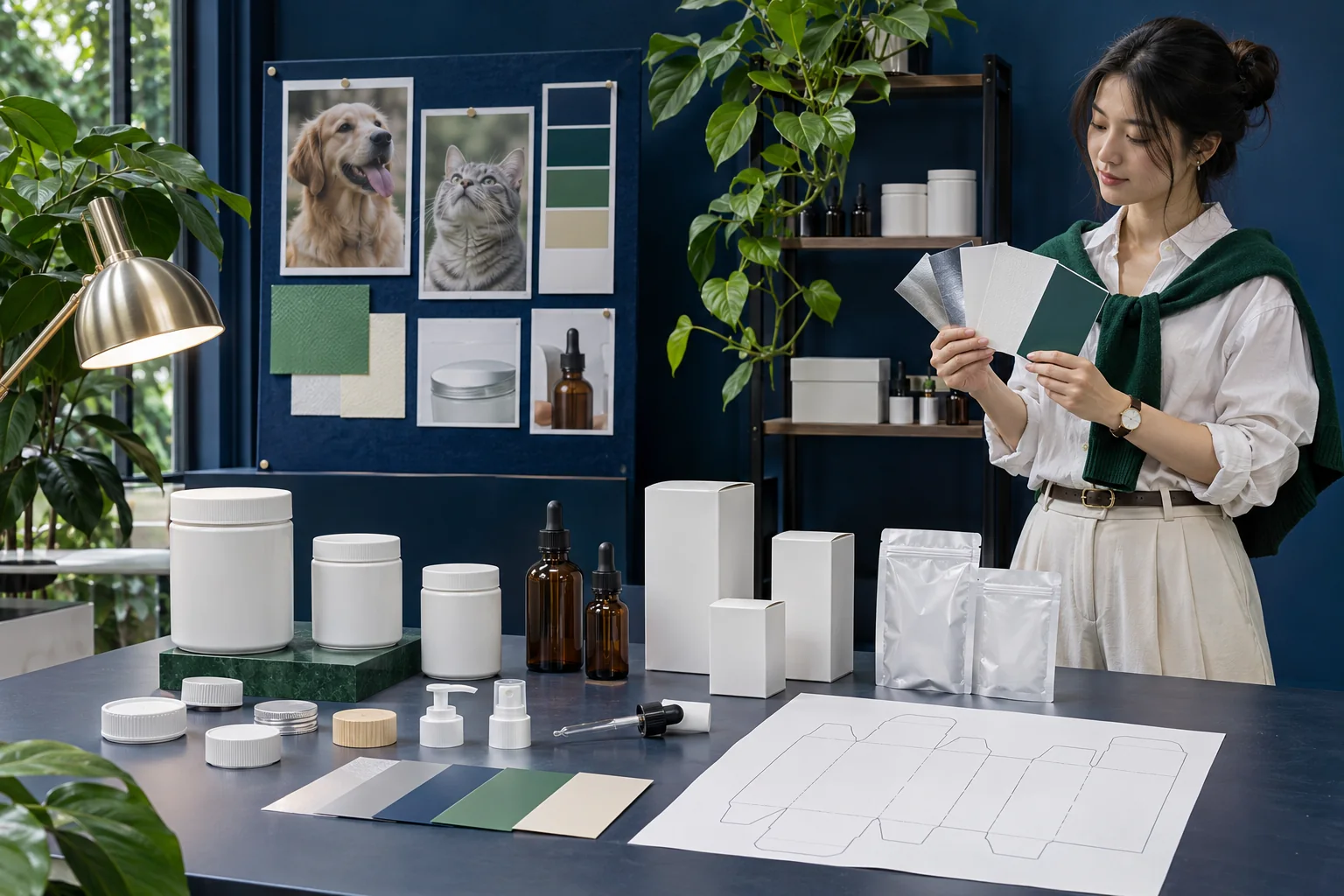
Check the interface between product and person: opening, dispensing, counting, resealing and storage. Small inconveniences can become dose variation or pack damage across repeated use.
Test the likely failure point
One likely failure is assuming human gummy recipes transfer directly to pets. Write it as a question that can be answered with a result, observation or approved record. Assign the question before the project moves to print.
Carry the decision into quotation and release
A controlled quote states the formula revision, unit specification, packaging configuration, order basis and services included. Anything still dependent on samples, third parties or freight should remain visibly provisional.
Questions for the production discussion
Ask the production team which input carries the most uncertainty, what evidence would reduce it and when the next decision can be made. Link the answer back to whether formula load, texture and bottle presentation can coexist, not to a generic timeline.
A useful enquiry includes
- Define whether formula load, texture and bottle presentation can coexist for one product version
- Request gel system, unit mass, moisture control and ingredient compatibility
- Avoid assuming human gummy recipes transfer directly to pets
- Review the decision against 1,000-bottle starting minimum and pet-specific assessment
Business guidance for developing pet nutrition products. Individual feeding and health questions require veterinary advice.