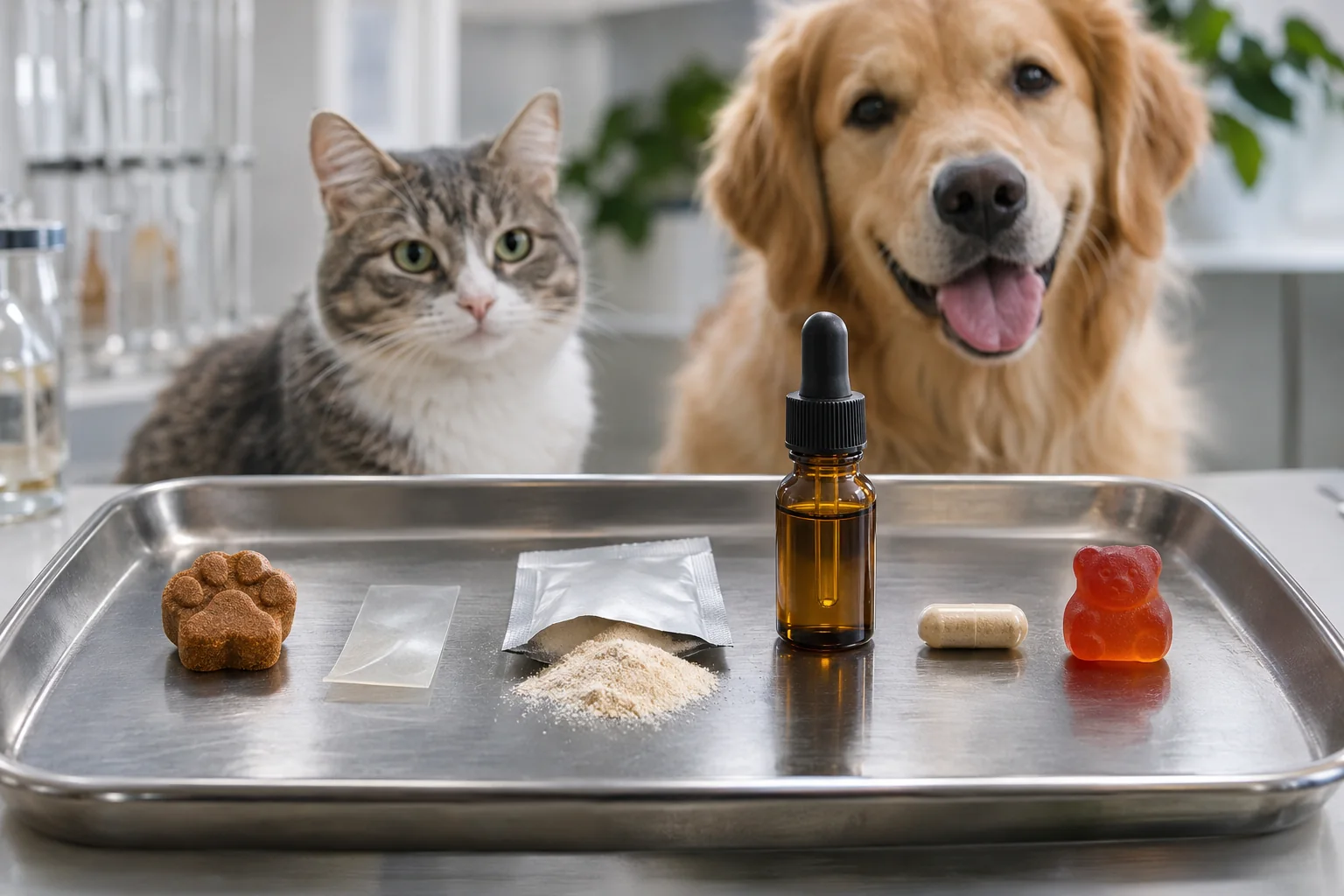






Put how aroma, texture and serving method affect acceptance at the centre of the brief
Good OEM work becomes easier when a broad ambition is reduced to one decision that can be checked. Treat design for feline palatability without masking dose problems as a product-design question. Identify the target animal and selling market, describe the daily routine, and write how aroma, texture and serving method affect acceptance in terms that can be measured or reviewed.
Record assumptions as assumptions
Use blanks deliberately. An unresolved ingredient, limit or label term should remain an open line with an owner. Consult pet-specific acceptance criteria to define the review route while avoiding a premature compliance claim.
Ask for evidence that answers this exact question
The evidence set should include flavour carrier, unit size, owner routine and structured trials. Ask for the version, lot, method and reporting basis. These fields allow a later reviewer to understand why the team accepted or rejected the proposal.
Read documents in their proper role
Do not let a sample document become a standing product claim. Specifications, batch records and references each need an identified scope. Use pet-specific acceptance criteria only within the scope it actually covers.
Connect the formula to use, packaging and storage
Put the prototype into its proposed retail pack before judging the concept. The pack can reveal dose, seal, texture, light or storage problems that a loose sample cannot show.
Test the likely failure point
Reviewers should try to disprove the comfortable assumption that leads to using strong flavour to rescue an impractical daily serving. Agree on the sample, condition, method and pass criterion before the result is known.
Carry the decision into quotation and release
Ask for a scope that can be reconstructed later. The formula revision, serving, packaging, language set, quantity and requested services should appear on the same commercial record.
Questions for the production discussion
End with four written answers: feasible version, evidence still needed, approval owner and next hold point. Relate each answer to how aroma, texture and serving method affect acceptance; avoid a meeting note that only says the project is progressing.
A useful enquiry includes
- Define how aroma, texture and serving method affect acceptance for one product version
- Request flavour carrier, unit size, owner routine and structured trials
- Avoid using strong flavour to rescue an impractical daily serving
- Review the decision against pet-specific acceptance criteria
Business guidance for developing pet nutrition products. Individual feeding and health questions require veterinary advice.