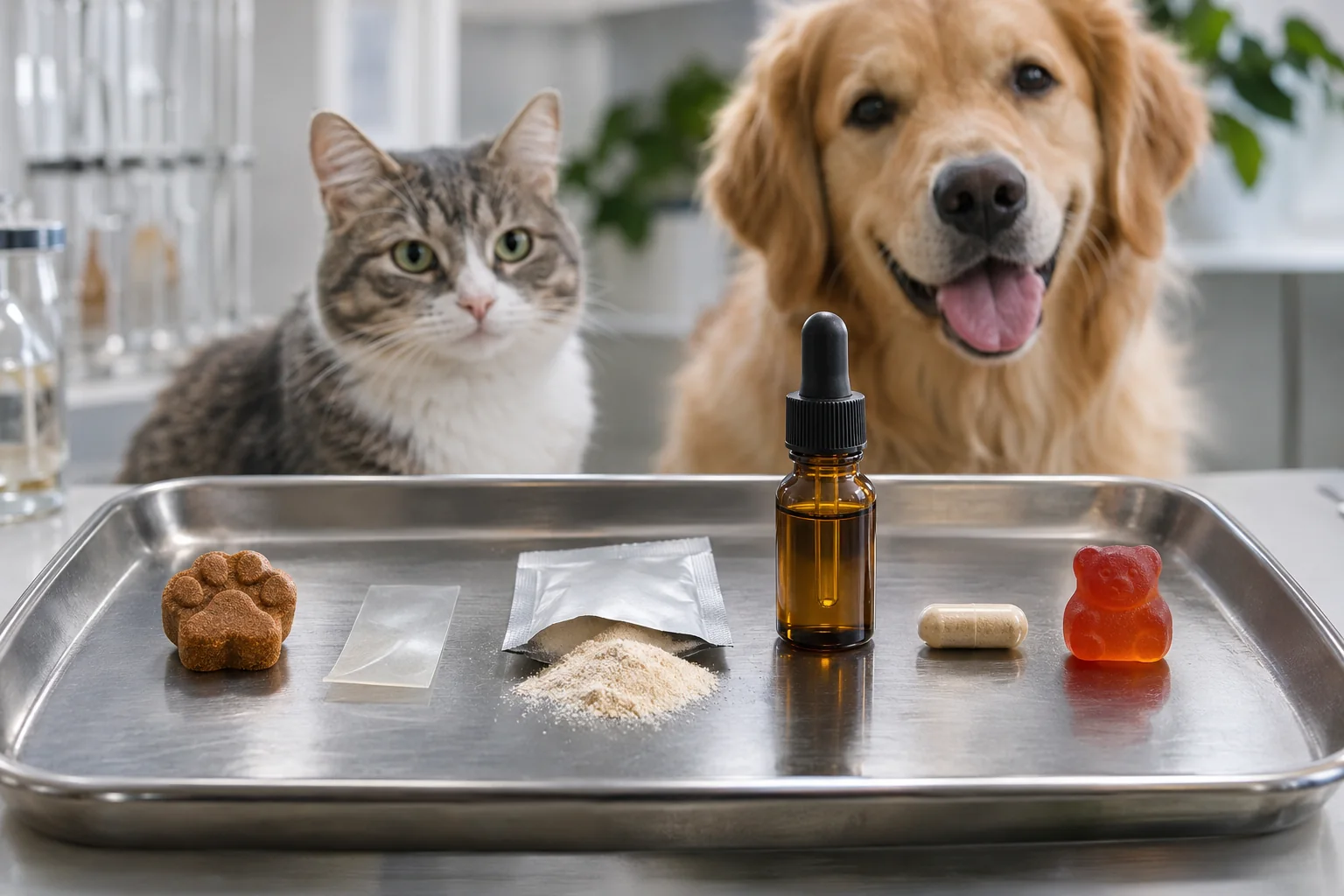







Put whether the concept is a treat, complementary food or another category at the centre of the brief
A useful project starts by naming the decision, the animal and the conditions in which the product will be used. The first page of the brief should explain why this product exists and how it will be used. Name the animal and market, then define whether the concept is a treat, complementary food or another category. That is the practical entry point for define product category before formula and label work.
Record assumptions as assumptions
Use blanks deliberately. An unresolved ingredient, limit or label term should remain an open line with an owner. Consult FDA, AAFCO or FEDIAF terminology as applicable to define the review route while avoiding a premature compliance claim.
Ask for evidence that answers this exact question
Build the evidence request around intended use, feeding pattern and proposed market classification. Ask who produced the record, which version or lot it covers, and how the value was measured. These checks are more useful than a long undifferentiated certificate list.
Read documents in their proper role
Use the specification to define acceptance, the COA to report an identified batch and references to explain the chosen approach. None should be presented as evidence for a role it did not perform. Apply FDA, AAFCO or FEDIAF terminology as applicable with that boundary in mind.
Connect the formula to use, packaging and storage
Walk through opening, measuring, offering and storage in the order an owner experiences them. That exercise exposes conflicts between ingredient load, unit size, packaging barrier and repeated use before artwork begins.
Test the likely failure point
Make letting marketing language decide the legal category a named checkpoint. Decide what will be inspected or measured, who will review it and what action follows an unacceptable result.
Carry the decision into quotation and release
Keep commercial scope and technical scope aligned. The quote should point to the same formula, unit, pack and quantity that the sample and artwork teams are using.
Questions for the production discussion
Before closing the review, ask which decision can be approved, which needs evidence and which sits with the buyer. Put the owner and date beside whether the concept is a treat, complementary food or another category so a later version does not inherit an old assumption.
A useful enquiry includes
- Define whether the concept is a treat, complementary food or another category for one product version
- Request intended use, feeding pattern and proposed market classification
- Avoid letting marketing language decide the legal category
- Review the decision against FDA, AAFCO or FEDIAF terminology as applicable
Business guidance for developing pet nutrition products. Individual feeding and health questions require veterinary advice.