





Put how expected sales relate to batch size and stock exposure at the centre of the brief
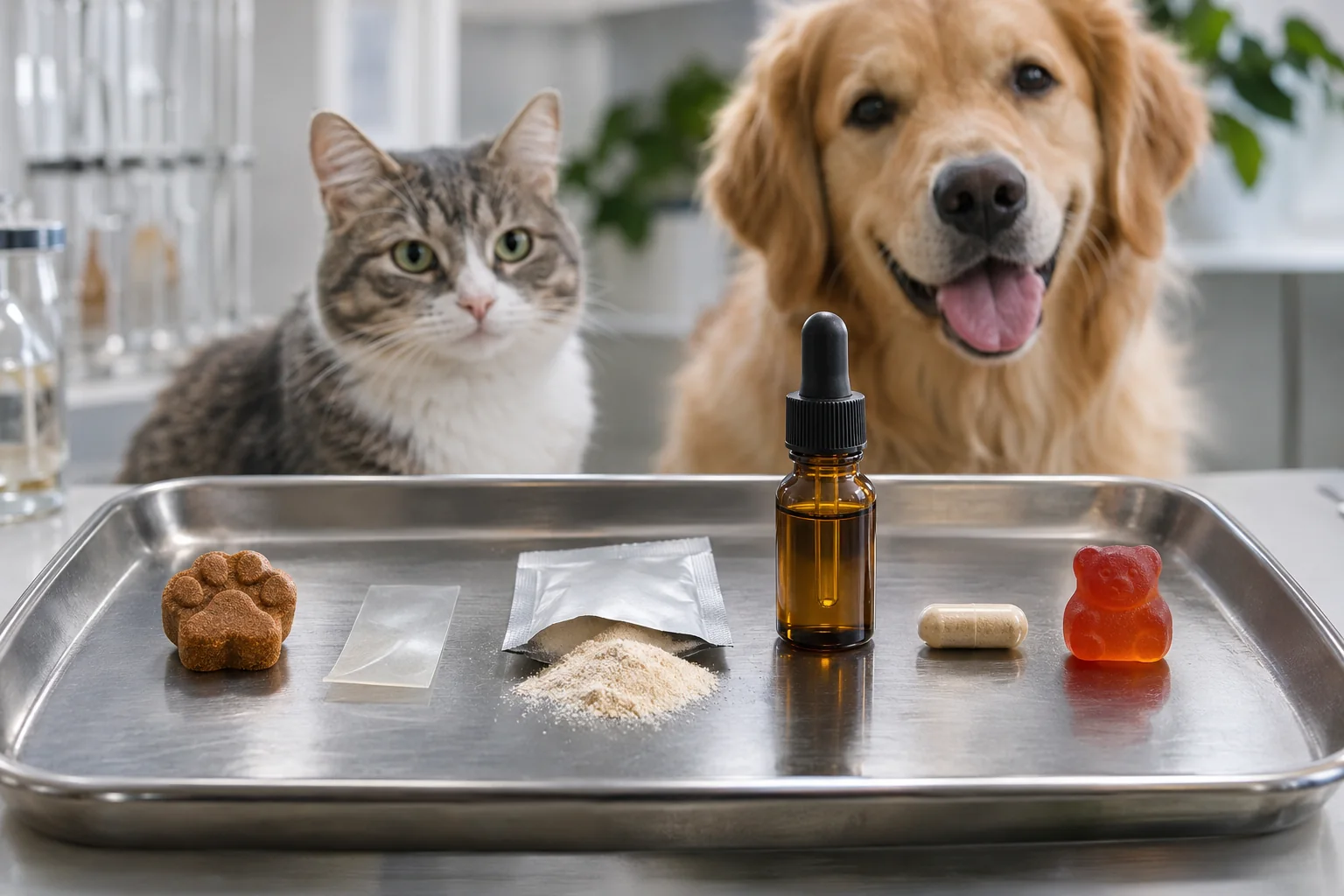
Good OEM work becomes easier when a broad ambition is reduced to one decision that can be checked. Treat connect demand forecasts to practical order planning as a product-design question. Identify the target animal and selling market, describe the daily routine, and write how expected sales relate to batch size and stock exposure in terms that can be measured or reviewed.
Record assumptions as assumptions
Do not fill blank fields with confident prose. Label an estimate, an option and a confirmed requirement differently. Use scenario planning rather than a fixed sales promise to sharpen the question while the destination reviewer confirms the answer.
Ask for evidence that answers this exact question
Ask for launch forecast, reorder point, production minimum and shelf-life evidence, but also ask what decision each record supports. Include the formula or batch identifier and reporting basis. A folder of documents has little value if none can be linked to the proposed SKU.
Read documents in their proper role
Use the specification to define acceptance, the COA to report an identified batch and references to explain the chosen approach. None should be presented as evidence for a role it did not perform. Apply scenario planning rather than a fixed sales promise with that boundary in mind.
Connect the formula to use, packaging and storage
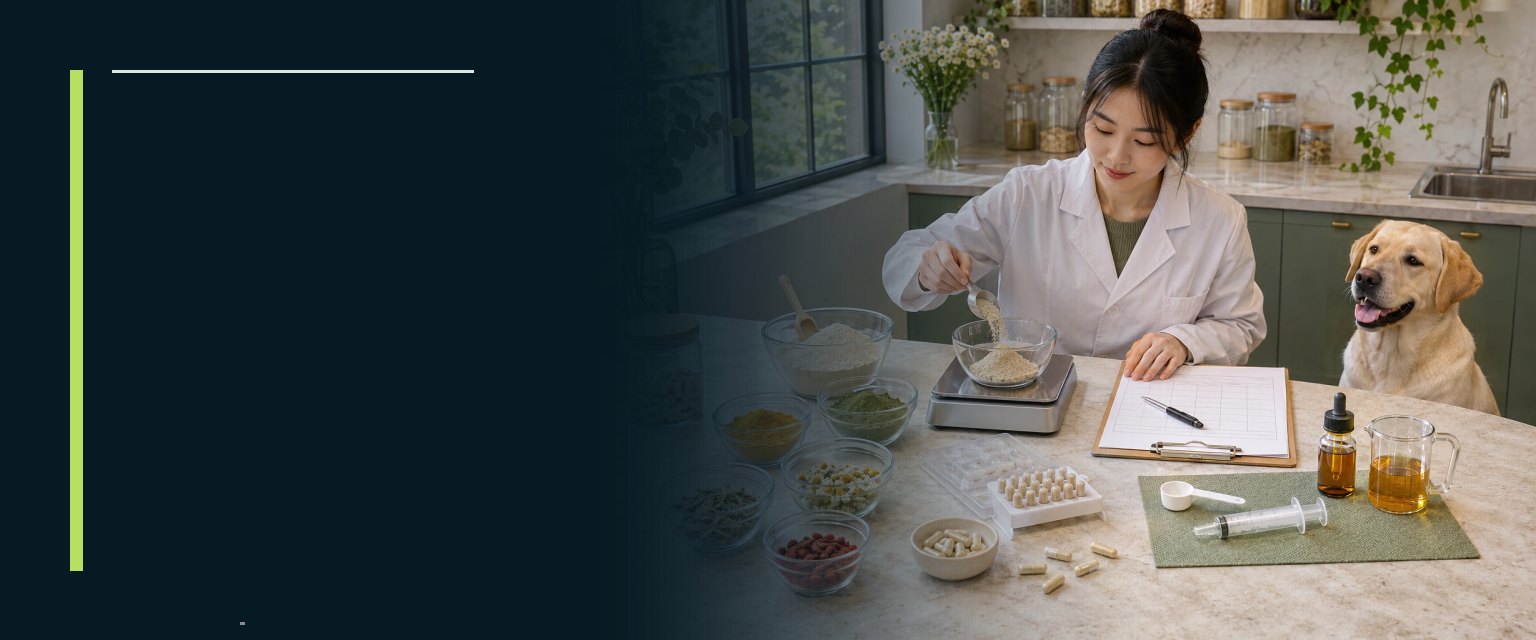
Walk through opening, measuring, offering and storage in the order an owner experiences them. That exercise exposes conflicts between ingredient load, unit size, packaging barrier and repeated use before artwork begins.
Test the likely failure point
The project file should name ordering a promotional quantity without a replenishment plan as a scenario to examine. Choose a check that resembles the actual formula, packaging and route. Generic assurances cannot replace that exercise.
Carry the decision into quotation and release
Lock the quoted configuration with a revision code. Show formula, dose, format, pack, languages, quantity and services; keep optional testing, freight and sample work distinct.
Questions for the production discussion
Before closing the review, ask which decision can be approved, which needs evidence and which sits with the buyer. Put the owner and date beside how expected sales relate to batch size and stock exposure so a later version does not inherit an old assumption.
A useful enquiry includes
- Define how expected sales relate to batch size and stock exposure for one product version
- Request launch forecast, reorder point, production minimum and shelf-life evidence
- Avoid ordering a promotional quantity without a replenishment plan
- Review the decision against scenario planning rather than a fixed sales promise
Business guidance for developing pet nutrition products. Individual feeding and health questions require veterinary advice.