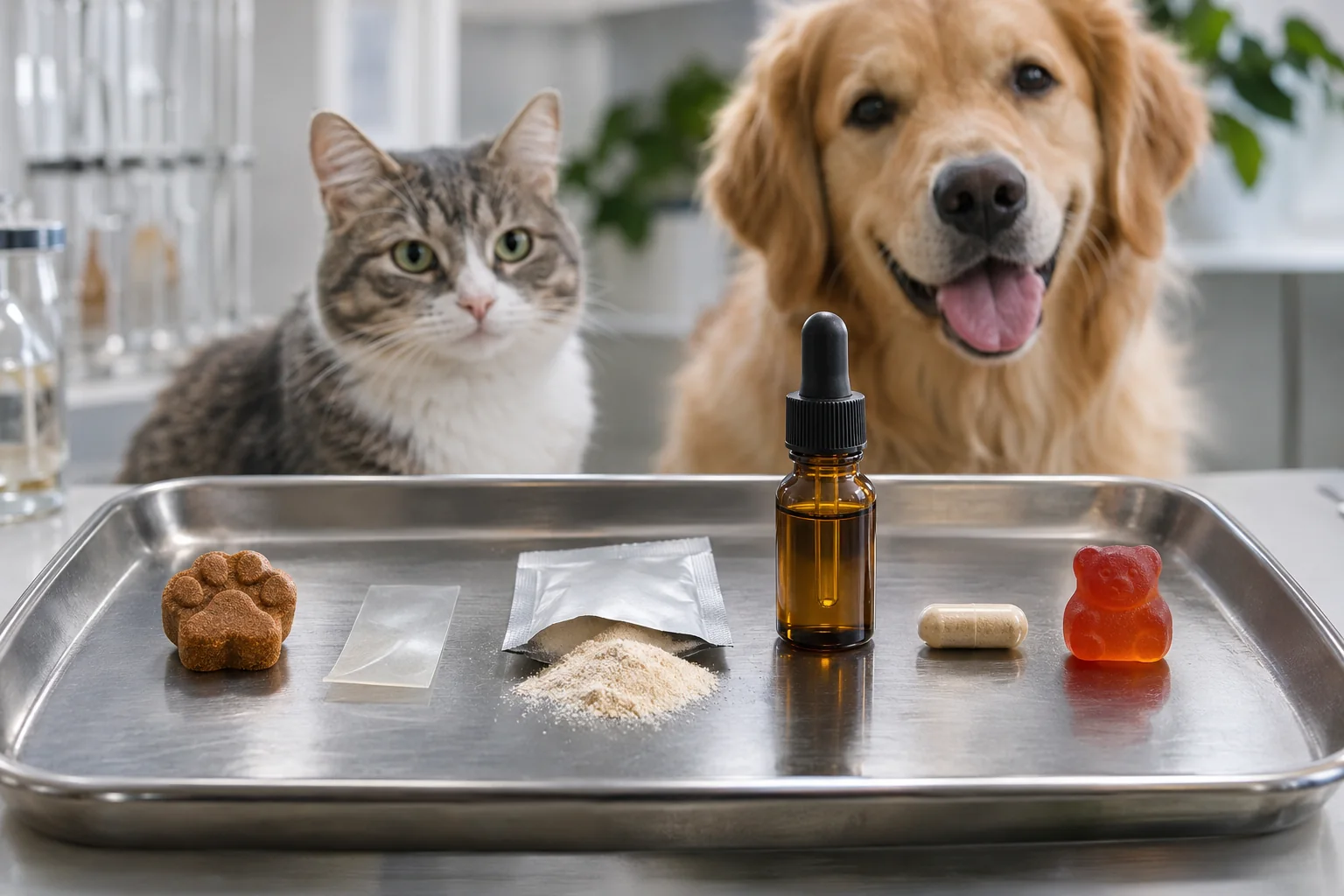







Put the balance between ingredient load, chew size and daily count at the centre of the brief
The practical starting point is the owner’s routine and the product version that will actually reach the market. Write the decision in one sentence, then add the animal, life stage, daily serving and selling market. For choose a soft chew unit mass that owners can use, that sentence should identify the balance between ingredient load, chew size and daily count. It gives formulation and packaging teams a shared starting point.
Record assumptions as assumptions
Use blanks deliberately. An unresolved ingredient, limit or label term should remain an open line with an owner. Consult 100 kg starting minimum and project-specific yield to define the review route while avoiding a premature compliance claim.
Ask for evidence that answers this exact question
Build the evidence request around unit-weight tolerance, serving plan and target-animal size. Ask who produced the record, which version or lot it covers, and how the value was measured. These checks are more useful than a long undifferentiated certificate list.
Read documents in their proper role
Read specifications forward and COAs backward: the first sets the intended boundary, the second must trace to the tested lot. Supporting references such as 100 kg starting minimum and project-specific yield explain context but do not release a batch.
Connect the formula to use, packaging and storage
Handle the proposed pack as an owner would. Measure the serving, open and close the container, and consider the final days of use. Formula, device and barrier decisions often change after this simple review.
Test the likely failure point
Make setting bottle count before unit mass is fixed a named checkpoint. Decide what will be inspected or measured, who will review it and what action follows an unacceptable result.
Carry the decision into quotation and release
Price comparisons become meaningful only when the quoted version is fixed. Identify formula, dose, unit, pack, quantity and included services, then list unresolved sampling, test and logistics work separately.
Questions for the production discussion
End with four written answers: feasible version, evidence still needed, approval owner and next hold point. Relate each answer to the balance between ingredient load, chew size and daily count; avoid a meeting note that only says the project is progressing.
A useful enquiry includes
- Define the balance between ingredient load, chew size and daily count for one product version
- Request unit-weight tolerance, serving plan and target-animal size
- Avoid setting bottle count before unit mass is fixed
- Review the decision against 100 kg starting minimum and project-specific yield
Business guidance for developing pet nutrition products. Individual feeding and health questions require veterinary advice.